
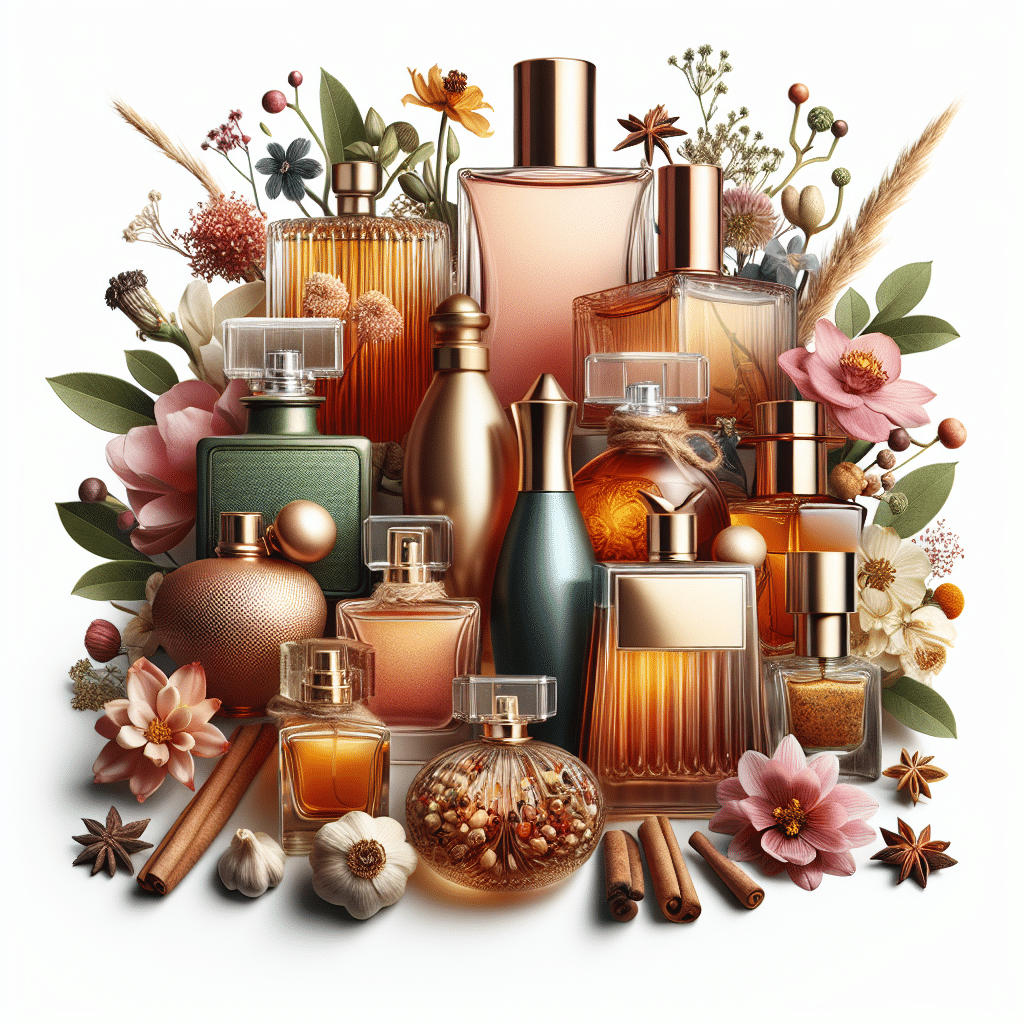
Discovering Niche Perfume Brands: The Art of Exclusive Fragrance Curation
Understanding the Essence of Niche Perfume Brands
In a world saturated with mass-produced scents, niche perfume brands stand out like rare gems in a sea of costume jewelry. These brands focus on artistry and craftsmanship, often employing high-quality ingredients and innovative olfactory architecture to create unique fragrances that resonate deeply with connoisseurs.
Consider this: the niche perfume market has grown by over 30% in recent years, reflecting a shift in consumer preference towards individuality and exclusivity. This trend highlights the desire for scents that tell a story rather than simply masking odors.
The Allure of Exclusivity
Niche perfume brands often operate on the fringes of mainstream fragrance, crafting limited editions that cater to an elite clientele. This exclusivity fosters a sense of belonging among users who appreciate not just the scent but the narrative behind it. For instance, a brand might release a fragrance inspired by an ancient ritual or a forgotten garden, inviting wearers to connect with something larger than themselves.
Niche perfumes often feature rare raw materials, elevating the olfactory experience far beyond standard offerings.
Craftsmanship Over Conformity
Craftsmanship is not just a buzzword; it’s the lifeblood of niche perfumery. Each bottle represents countless hours spent in formulation, testing, and refinement. While commercial brands may prioritize mass appeal and cost-effectiveness, niche brands lean into complexity and depth. They often utilize natural materials like Oud or Ambergris, which require meticulous sourcing and extensive knowledge of their properties.
Take for example HOUSE OF ZIGGIMAY’s latest offering crafted from sustainably sourced Bergamot and Sandalwood which not only supports ethical practices but also creates an aromatic profile rich in nuance. The interplay between these materials results in a fragrance that evolves beautifully throughout its wear time.
The Raw Edit: Analyzing Ingredients
The Raw Edit is where we dissect what makes these fragrances tick. The inclusion of synthetic aromachemicals alongside naturals can enhance longevity and sillage without compromising on artistry. For instance, using Iso E Super can provide an elegant woody backdrop while allowing more delicate floral notes to shine through.
- Bergamot: Adds freshness with its bright citrus notes.
- Iso E Super: Enhances depth with its woody nuances.
- Sandalwood: Provides creaminess and warmth in the dry-down.
This careful balancing act is what differentiates niche perfumes from their mainstream counterparts; it’s not just about smelling good it’s about crafting an experience that lingers long after application.
Ultimately, understanding the essence of niche perfume brands requires recognizing their commitment to authenticity over mass appeal. These are not mere fragrances; they are intricate stories bottled up for those who seek more than just another scent on their skin.
In a world saturated with mass-produced scents, niche perfume brands stand out like rare gems in a sea of costume jewelry. These brands focus on artistry and craftsmanship, often employing high-quality ingredients and innovative olfactory architecture to create unique fragrances that resonate deeply with connoisseurs.
Consider this: the niche perfume market has grown by over 30% in recent years, reflecting a shift in consumer preference towards individuality and exclusivity. This trend highlights the desire for scents that tell a story rather than simply masking odors.
The Allure of Exclusivity
Niche perfume brands often operate on the fringes of mainstream fragrance, crafting limited editions that cater to an elite clientele. This exclusivity fosters a sense of belonging among users who appreciate not just the scent but the narrative behind it. For instance, a brand might release a fragrance inspired by an ancient ritual or a forgotten garden, inviting wearers to connect with something larger than themselves.
Niche perfumes often feature rare raw materials, elevating the olfactory experience far beyond standard offerings.
Craftsmanship Over Conformity
Craftsmanship is not just a buzzword; it’s the lifeblood of niche perfumery. Each bottle represents countless hours spent in formulation, testing, and refinement. While commercial brands may prioritize mass appeal and cost-effectiveness, niche brands lean into complexity and depth. They often utilize natural materials like Oud or Ambergris, which require meticulous sourcing and extensive knowledge of their properties.
Take for example HOUSE OF ZIGGIMAY’s latest offering crafted from sustainably sourced Bergamot and Sandalwood which not only supports ethical practices but also creates an aromatic profile rich in nuance. The interplay between these materials results in a fragrance that evolves beautifully throughout its wear time.
The Raw Edit: Analyzing Ingredients
The Raw Edit is where we dissect what makes these fragrances tick. The inclusion of synthetic aromachemicals alongside naturals can enhance longevity and sillage without compromising on artistry. For instance, using Iso E Super can provide an elegant woody backdrop while allowing more delicate floral notes to shine through.
- Bergamot: Adds freshness with its bright citrus notes.
- Iso E Super: Enhances depth with its woody nuances.
- Sandalwood: Provides creaminess and warmth in the dry-down.
This careful balancing act is what differentiates niche perfumes from their mainstream counterparts; it’s not just about smelling good it’s about crafting an experience that lingers long after application.
Ultimately, understanding the essence of niche perfume brands requires recognizing their commitment to authenticity over mass appeal. These are not mere fragrances; they are intricate stories bottled up for those who seek more than just another scent on their skin.
The Role of Artistry in Niche Fragrance Creation
Artistry in niche fragrance creation is not merely an embellishment; it’s the foundation upon which the entire olfactory experience is built. Unlike mainstream brands that often rely on market research and trend analysis, niche perfume brands embrace a more avant-garde approach, allowing creativity to flourish. This artistic freedom leads to fragrances that are as unique as they are memorable.
Consider the meticulous process behind crafting a single bottle of niche perfume. It often begins with an inspiration a fleeting memory, a specific emotion, or even a visual tableau. For example, imagine a scent inspired by the quietude of a Nordic forest after rain, where each note evokes the damp earth and fresh pine needles. The perfumer’s task is to translate this vision into an aromatic form, employing both natural and synthetic materials to achieve the desired olfactory narrative.
Artistry allows for innovation in scent composition, resulting in fragrances that challenge conventional norms.
The Alchemy of Ingredients
In niche perfumery, every ingredient serves a dual purpose: it must contribute to the overall scent profile while also enhancing the narrative. Take Neroli, for example; its bright and citrusy notes can evoke warmth and optimism, perfectly complementing darker elements like Oud or Patchouli that add depth and complexity. This alchemy of ingredients creates layers within the fragrance, inviting wearers to explore its evolution over time.
HOUSE OF ZIGGIMAY exemplifies this artistry through its commitment to sourcing rare materials that tell their own stories. The inclusion of sustainably harvested Cistus Labdanum, for instance, not only enhances longevity but also adds a resinous quality that speaks to ancient perfumery traditions. This thoughtful selection process underscores how artistry transcends mere scent creation; it’s about crafting an experience steeped in cultural resonance.
The Influence of Personal Experience
A perfumer’s personal history often infiltrates their creations, adding layers of meaning that resonate deeply with connoisseurs. For instance, if a perfumer spent summers in the Mediterranean surrounded by blooming Jasmine, this memory might inspire them to create a fragrance rich in floral accords paired with salty sea notes capturing not just a scent but an entire season’s essence.
Niche perfume brands thrive on this intimate connection between creator and consumer. While mass-market fragrances may aim for broad appeal with safe combinations of notes, niche brands invite you into their world a world where each spritz reveals layers of intention and artistry.
Scent Narratives as Artistic Expressions
Ultimately, understanding the role of artistry within niche fragrance creation invites us to appreciate scents not merely as products but as intricate works of art each crafted with intent and emotion.
Artistry in niche fragrance creation is not merely an embellishment; it’s the foundation upon which the entire olfactory experience is built. Unlike mainstream brands that often rely on market research and trend analysis, niche perfume brands embrace a more avant-garde approach, allowing creativity to flourish. This artistic freedom leads to fragrances that are as unique as they are memorable.
Consider the meticulous process behind crafting a single bottle of niche perfume. It often begins with an inspiration a fleeting memory, a specific emotion, or even a visual tableau. For example, imagine a scent inspired by the quietude of a Nordic forest after rain, where each note evokes the damp earth and fresh pine needles. The perfumer’s task is to translate this vision into an aromatic form, employing both natural and synthetic materials to achieve the desired olfactory narrative.
Artistry allows for innovation in scent composition, resulting in fragrances that challenge conventional norms.
The Alchemy of Ingredients
In niche perfumery, every ingredient serves a dual purpose: it must contribute to the overall scent profile while also enhancing the narrative. Take Neroli, for example; its bright and citrusy notes can evoke warmth and optimism, perfectly complementing darker elements like Oud or Patchouli that add depth and complexity. This alchemy of ingredients creates layers within the fragrance, inviting wearers to explore its evolution over time.
HOUSE OF ZIGGIMAY exemplifies this artistry through its commitment to sourcing rare materials that tell their own stories. The inclusion of sustainably harvested Cistus Labdanum, for instance, not only enhances longevity but also adds a resinous quality that speaks to ancient perfumery traditions. This thoughtful selection process underscores how artistry transcends mere scent creation; it’s about crafting an experience steeped in cultural resonance.
The Influence of Personal Experience
A perfumer’s personal history often infiltrates their creations, adding layers of meaning that resonate deeply with connoisseurs. For instance, if a perfumer spent summers in the Mediterranean surrounded by blooming Jasmine, this memory might inspire them to create a fragrance rich in floral accords paired with salty sea notes capturing not just a scent but an entire season’s essence.
Niche perfume brands thrive on this intimate connection between creator and consumer. While mass-market fragrances may aim for broad appeal with safe combinations of notes, niche brands invite you into their world a world where each spritz reveals layers of intention and artistry.
Scent Narratives as Artistic Expressions
Ultimately, understanding the role of artistry within niche fragrance creation invites us to appreciate scents not merely as products but as intricate works of art each crafted with intent and emotion.
Curation Techniques for Exclusive Fragrance Collections
Curating an exclusive fragrance collection is akin to assembling a gallery of fine art; each piece must resonate with its audience while standing out on its own. The challenge lies in navigating the labyrinth of niche perfume brands, where every scent tells a unique story, yet not every story will resonate with every individual.
Consider the case of a luxury boutique in Paris that specializes in niche fragrances. They meticulously curate their offerings, ensuring each scent aligns with the ethos of sophistication and exclusivity. The result? A collection that feels cohesive and intentional, inviting patrons to explore scents as they would fine wines each bottle representing a distinct terroir of olfactory experience.
Understanding Your Audience
Before diving into the nitty-gritty of fragrance selection, it’s essential to understand your clientele. Are they seeking bold statements like those found in Oud-heavy compositions or do they prefer subtle nuances reminiscent of Neroli? Knowing your audience helps tailor your selections to their preferences, ensuring that the curated collection resonates deeply.
- Demographics: Consider age, gender, and lifestyle.
- Fragrance Preferences: Identify preferred notes and families.
- Cultural Influences: Recognize how cultural backgrounds affect scent appreciation.
The Art of Selection
Selection is both an art and a science. When curating niche perfumes, one must balance personal taste with market trends. A well-rounded collection should include a mix of classics and avant-garde creations, ensuring there’s something for everyone.
Start by identifying key fragrance families: floral, oriental, woody, fresh each offering distinct emotional cues. For instance, incorporating scents from the woody family can evoke warmth and grounding feelings. Conversely, fresh fragrances often inspire clarity and rejuvenation.
A balanced collection should reflect diversity in olfactory architecture while maintaining an overarching narrative.
Limited Editions as Exclusivity Markers
Incorporating these limited releases into your collection can also serve as conversation starters among patrons sparking interest in both the brand’s heritage and the artistry behind each scent.
Building Relationships with Niche Brands
Developing partnerships with niche brands strengthens your curation strategy significantly. By establishing relationships directly with perfumers or brand owners, you gain insights into their creative processes and upcoming launches an invaluable advantage when selecting exclusive fragrances.
For example, attending industry events or engaging in one-on-one discussions allows you to grasp not just the technical aspects but also the stories behind each fragrance’s creation adding depth to your curation that resonates with discerning customers.
Personal connections can lead to exclusive previews or even bespoke offerings tailored specifically for your clientele.
Ultimately, curating an exclusive fragrance collection is about crafting an experience that transcends mere scent application; it’s about telling stories through olfactory architecture while ensuring each piece holds its own place within a larger narrative.
Curating an exclusive fragrance collection is akin to assembling a gallery of fine art; each piece must resonate with its audience while standing out on its own. The challenge lies in navigating the labyrinth of niche perfume brands, where every scent tells a unique story, yet not every story will resonate with every individual.
Consider the case of a luxury boutique in Paris that specializes in niche fragrances. They meticulously curate their offerings, ensuring each scent aligns with the ethos of sophistication and exclusivity. The result? A collection that feels cohesive and intentional, inviting patrons to explore scents as they would fine wines each bottle representing a distinct terroir of olfactory experience.
Understanding Your Audience
Before diving into the nitty-gritty of fragrance selection, it’s essential to understand your clientele. Are they seeking bold statements like those found in Oud-heavy compositions or do they prefer subtle nuances reminiscent of Neroli? Knowing your audience helps tailor your selections to their preferences, ensuring that the curated collection resonates deeply.
- Demographics: Consider age, gender, and lifestyle.
- Fragrance Preferences: Identify preferred notes and families.
- Cultural Influences: Recognize how cultural backgrounds affect scent appreciation.
The Art of Selection
Selection is both an art and a science. When curating niche perfumes, one must balance personal taste with market trends. A well-rounded collection should include a mix of classics and avant-garde creations, ensuring there’s something for everyone.
Start by identifying key fragrance families: floral, oriental, woody, fresh each offering distinct emotional cues. For instance, incorporating scents from the woody family can evoke warmth and grounding feelings. Conversely, fresh fragrances often inspire clarity and rejuvenation.
A balanced collection should reflect diversity in olfactory architecture while maintaining an overarching narrative.
Limited Editions as Exclusivity Markers
Incorporating these limited releases into your collection can also serve as conversation starters among patrons sparking interest in both the brand’s heritage and the artistry behind each scent.
Building Relationships with Niche Brands
Developing partnerships with niche brands strengthens your curation strategy significantly. By establishing relationships directly with perfumers or brand owners, you gain insights into their creative processes and upcoming launches an invaluable advantage when selecting exclusive fragrances.
For example, attending industry events or engaging in one-on-one discussions allows you to grasp not just the technical aspects but also the stories behind each fragrance’s creation adding depth to your curation that resonates with discerning customers.
Personal connections can lead to exclusive previews or even bespoke offerings tailored specifically for your clientele.
Ultimately, curating an exclusive fragrance collection is about crafting an experience that transcends mere scent application; it’s about telling stories through olfactory architecture while ensuring each piece holds its own place within a larger narrative.
The Intersection of Culture and Scent in Niche Brands
Imagine walking through a bustling bazaar in Marrakech, where the air is thick with the heady aroma of spices, flowers, and incense. This sensory experience is not merely a backdrop; it’s a cultural tapestry woven into the fabric of niche perfume brands. Each fragrance tells a story rooted in its origin, reflecting the traditions and artistry of its creators.
A study by the Fragrance Foundation reveals that over 60% of consumers are drawn to scents that evoke personal memories or cultural connections. This statistic underscores how deeply intertwined culture and scent truly are especially within niche perfume brands that thrive on storytelling.
Cultural Narratives Within Fragrances
Niche perfume brands often draw inspiration from their cultural heritage, resulting in unique scent narratives that resonate with consumers on multiple levels. For instance, consider a brand that crafts a fragrance inspired by traditional Japanese tea ceremonies. The inclusion of notes like Matcha and Cherry Blossom not only captures the essence of this ritual but also invites wearers to experience a slice of Japanese culture with each spritz.
Cultural narratives enhance the emotional connection to fragrances, transforming them into personal artifacts.
The Role of Raw Materials in Cultural Representation
Oud, revered in Middle Eastern cultures for centuries, is more than just an ingredient; it embodies tradition and luxury. Niche brands harness such materials to create scents that transcend mere olfactory pleasure, offering wearers an authentic taste of different cultures. A fragrance featuring Oud might evoke images of ancient palaces or desert landscapes, creating an immersive experience.
Crafting Experiences Through Cultural Engagement
Experience is the keyword here. Niche perfume brands often engage consumers through immersive experiences think pop-up events featuring local artisans or workshops on scent blending inspired by regional traditions. These initiatives not only strengthen brand loyalty but also deepen customers’ appreciation for the cultural roots embedded in each fragrance.
HOUSE OF ZIGGIMAY, for example, might host an event highlighting Scandinavian ingredients like Juniper Berry or Birch Tar, allowing attendees to connect with Nordic landscapes while exploring new scent profiles. This form of engagement enriches the consumer’s understanding while reinforcing the brand’s narrative.
Engaging consumers culturally transforms fragrances from products into meaningful experiences.
Imagine walking through a bustling bazaar in Marrakech, where the air is thick with the heady aroma of spices, flowers, and incense. This sensory experience is not merely a backdrop; it’s a cultural tapestry woven into the fabric of niche perfume brands. Each fragrance tells a story rooted in its origin, reflecting the traditions and artistry of its creators.
A study by the Fragrance Foundation reveals that over 60% of consumers are drawn to scents that evoke personal memories or cultural connections. This statistic underscores how deeply intertwined culture and scent truly are especially within niche perfume brands that thrive on storytelling.
Cultural Narratives Within Fragrances
Niche perfume brands often draw inspiration from their cultural heritage, resulting in unique scent narratives that resonate with consumers on multiple levels. For instance, consider a brand that crafts a fragrance inspired by traditional Japanese tea ceremonies. The inclusion of notes like Matcha and Cherry Blossom not only captures the essence of this ritual but also invites wearers to experience a slice of Japanese culture with each spritz.
Cultural narratives enhance the emotional connection to fragrances, transforming them into personal artifacts.
The Role of Raw Materials in Cultural Representation
Oud, revered in Middle Eastern cultures for centuries, is more than just an ingredient; it embodies tradition and luxury. Niche brands harness such materials to create scents that transcend mere olfactory pleasure, offering wearers an authentic taste of different cultures. A fragrance featuring Oud might evoke images of ancient palaces or desert landscapes, creating an immersive experience.
Crafting Experiences Through Cultural Engagement
Experience is the keyword here. Niche perfume brands often engage consumers through immersive experiences think pop-up events featuring local artisans or workshops on scent blending inspired by regional traditions. These initiatives not only strengthen brand loyalty but also deepen customers’ appreciation for the cultural roots embedded in each fragrance.
HOUSE OF ZIGGIMAY, for example, might host an event highlighting Scandinavian ingredients like Juniper Berry or Birch Tar, allowing attendees to connect with Nordic landscapes while exploring new scent profiles. This form of engagement enriches the consumer’s understanding while reinforcing the brand’s narrative.
Engaging consumers culturally transforms fragrances from products into meaningful experiences.
Experiential Aspects of Niche Perfume Discovery
Engaging with niche perfume brands is akin to embarking on a sensory expedition. Each fragrance invites you to explore not just its scent but the intricate tapestry of experiences that accompany it. Imagine this: you walk into a boutique, greeted by scents that transport you to far-off lands or evoke cherished memories. This is the magic of niche perfumes.
Unlike mainstream fragrances, which often rely on familiar notes and mass appeal, niche perfumes are crafted with intention. They tell stories through their olfactory architecture, inviting wearers to partake in a narrative woven from rare ingredients and unique inspirations. For instance, a fragrance might encapsulate the essence of an ancient ritual or a fleeting moment in nature each spritz becomes a portal to another world.
The Journey of Discovery
The journey begins with the exploration of raw materials each ingredient meticulously chosen for its aromatic properties and cultural significance. Take Oud, for example; revered in Middle Eastern traditions, it evokes luxury and depth. When blended with notes like Rose or Saffron, it creates an experience that transcends mere fragrance, resonating with wearers on a deeply personal level.
Niche perfumes invite exploration through their complex narratives, allowing wearers to connect emotionally with each scent.
Creating Personal Connections
HOUSE OF ZIGGIMAY exemplifies this experiential approach by curating scents that resonate with individual stories. Each fragrance is not just about olfactory pleasure; it’s about crafting an experience that lingers in memory. Consider a scent inspired by Scandinavian landscapes notes of Pine, Birch Tar, and Cistus Labdanum can evoke the feeling of wandering through a misty forest at dawn.
This connection between scent and memory transforms each application into an intimate ritual.
Embracing the Experience
Niche perfume brands thrive on creating immersive experiences. Many offer opportunities for consumers to engage beyond just purchasing scents workshops, scent blending sessions, and pop-up events allow enthusiasts to delve deeper into the world of perfumery. This engagement fosters community among connoisseurs who appreciate not only the art but also the science behind each creation.
Ultimately, discovering niche perfume brands is about more than just wearing something pleasant; it’s about embracing an experience that reflects personal identity and cultural heritage. As you explore these unique fragrances, consider how they resonate with your own stories each spritz can become a chapter in your olfactory narrative.
Engaging with niche perfume brands is akin to embarking on a sensory expedition. Each fragrance invites you to explore not just its scent but the intricate tapestry of experiences that accompany it. Imagine this: you walk into a boutique, greeted by scents that transport you to far-off lands or evoke cherished memories. This is the magic of niche perfumes.
Unlike mainstream fragrances, which often rely on familiar notes and mass appeal, niche perfumes are crafted with intention. They tell stories through their olfactory architecture, inviting wearers to partake in a narrative woven from rare ingredients and unique inspirations. For instance, a fragrance might encapsulate the essence of an ancient ritual or a fleeting moment in nature each spritz becomes a portal to another world.
The Journey of Discovery
The journey begins with the exploration of raw materials each ingredient meticulously chosen for its aromatic properties and cultural significance. Take Oud, for example; revered in Middle Eastern traditions, it evokes luxury and depth. When blended with notes like Rose or Saffron, it creates an experience that transcends mere fragrance, resonating with wearers on a deeply personal level.
Niche perfumes invite exploration through their complex narratives, allowing wearers to connect emotionally with each scent.
Creating Personal Connections
HOUSE OF ZIGGIMAY exemplifies this experiential approach by curating scents that resonate with individual stories. Each fragrance is not just about olfactory pleasure; it’s about crafting an experience that lingers in memory. Consider a scent inspired by Scandinavian landscapes notes of Pine, Birch Tar, and Cistus Labdanum can evoke the feeling of wandering through a misty forest at dawn.
This connection between scent and memory transforms each application into an intimate ritual.
Embracing the Experience
Niche perfume brands thrive on creating immersive experiences. Many offer opportunities for consumers to engage beyond just purchasing scents workshops, scent blending sessions, and pop-up events allow enthusiasts to delve deeper into the world of perfumery. This engagement fosters community among connoisseurs who appreciate not only the art but also the science behind each creation.
Ultimately, discovering niche perfume brands is about more than just wearing something pleasant; it’s about embracing an experience that reflects personal identity and cultural heritage. As you explore these unique fragrances, consider how they resonate with your own stories each spritz can become a chapter in your olfactory narrative.
Challenges Faced by Niche Perfume Brands in a Competitive Market
Navigating the niche perfume landscape is akin to walking a tightrope one misstep can send even the most promising brands tumbling into obscurity. With over 1,500 new fragrances launched each year, standing out in this crowded market is no small feat.
For niche perfume brands, the challenges are multifaceted. First up is the ever-present competition from both mass-market giants and other niche players. While mainstream fragrances often benefit from hefty advertising budgets and widespread distribution channels, niche brands must rely on storytelling and unique olfactory compositions to capture attention.
Market Saturation and Brand Recognition
With countless options available, consumers can easily become overwhelmed. This saturation makes it difficult for niche perfume brands to carve out a distinct identity. Unlike established names that have built a reputation over decades, newer entrants face an uphill battle in gaining visibility and trust.
Consider a brand that specializes in artisanal scents inspired by ancient rituals. Despite its unique offerings, it might struggle to gain traction against larger competitors who dominate retail spaces and online platforms. Without effective marketing strategies or partnerships with influential retailers, even exceptional fragrances can languish unnoticed.
The Cost of Quality Ingredients
Niche perfume brands often pride themselves on using high-quality raw materials like sustainably sourced Oud or rare floral extracts. However, these premium ingredients come at a steep price. The challenge lies in balancing quality with affordability while ensuring that production costs do not skyrocket.
The ZIGGIMAY Standard guides these brands toward ingredient purity but also necessitates meticulous sourcing that can strain budgets.
Imagine a small perfumery striving to create an exquisite fragrance using ethically harvested materials; they may find themselves unable to compete on price with mass-produced alternatives that utilize synthetic substitutes or lower-grade ingredients.
The Dreaded Anosmia Consumer Fatigue
Another hurdle is consumer fatigue temporary anosmia caused by overexposure to strong scents can lead potential buyers to overlook even the most captivating compositions. As consumers navigate through various scent profiles, their sensory receptors may become dulled, making it harder for niche perfumes to leave a lasting impression.
Ultimately, while the challenges facing niche perfume brands are significant, they also present opportunities for creativity and innovation. By leveraging their unique stories and commitment to quality, these brands can not only survive but thrive amidst fierce competition.
Navigating the niche perfume landscape is akin to walking a tightrope one misstep can send even the most promising brands tumbling into obscurity. With over 1,500 new fragrances launched each year, standing out in this crowded market is no small feat.
For niche perfume brands, the challenges are multifaceted. First up is the ever-present competition from both mass-market giants and other niche players. While mainstream fragrances often benefit from hefty advertising budgets and widespread distribution channels, niche brands must rely on storytelling and unique olfactory compositions to capture attention.
Market Saturation and Brand Recognition
With countless options available, consumers can easily become overwhelmed. This saturation makes it difficult for niche perfume brands to carve out a distinct identity. Unlike established names that have built a reputation over decades, newer entrants face an uphill battle in gaining visibility and trust.
Consider a brand that specializes in artisanal scents inspired by ancient rituals. Despite its unique offerings, it might struggle to gain traction against larger competitors who dominate retail spaces and online platforms. Without effective marketing strategies or partnerships with influential retailers, even exceptional fragrances can languish unnoticed.
The Cost of Quality Ingredients
Niche perfume brands often pride themselves on using high-quality raw materials like sustainably sourced Oud or rare floral extracts. However, these premium ingredients come at a steep price. The challenge lies in balancing quality with affordability while ensuring that production costs do not skyrocket.
The ZIGGIMAY Standard guides these brands toward ingredient purity but also necessitates meticulous sourcing that can strain budgets.
Imagine a small perfumery striving to create an exquisite fragrance using ethically harvested materials; they may find themselves unable to compete on price with mass-produced alternatives that utilize synthetic substitutes or lower-grade ingredients.
The Dreaded Anosmia Consumer Fatigue
Another hurdle is consumer fatigue temporary anosmia caused by overexposure to strong scents can lead potential buyers to overlook even the most captivating compositions. As consumers navigate through various scent profiles, their sensory receptors may become dulled, making it harder for niche perfumes to leave a lasting impression.
Ultimately, while the challenges facing niche perfume brands are significant, they also present opportunities for creativity and innovation. By leveraging their unique stories and commitment to quality, these brands can not only survive but thrive amidst fierce competition.
Future Trends in the Niche Perfume Landscape
The niche perfume landscape is on the brink of a renaissance, driven by consumer demand for authenticity and sustainability. Recent data indicates that over 70% of fragrance consumers are willing to pay a premium for brands that prioritize ethical sourcing and transparency. This shift is not just a trend; it’s a fundamental change in how we perceive luxury.
Imagine walking into a boutique where each fragrance represents not just a scent but a commitment to environmental stewardship. Niche perfume brands are increasingly adopting sustainable practices, from sourcing raw materials to packaging. For instance, some brands are utilizing biodegradable materials and refillable bottles, enhancing their appeal to eco-conscious consumers.
Personalization: The New Frontier
Personalization is becoming synonymous with niche perfumery. As technology advances, companies are leveraging data analytics and AI to offer bespoke scent experiences tailored to individual preferences. Imagine receiving a fragrance crafted specifically for your unique chemistry a blend that evolves with you throughout the day.
- Customized scent profiles based on personal preferences.
- AI-driven recommendations based on past purchases.
- Interactive online platforms for virtual scent creation.
Cultural Fusion in Fragrance Creation
Cultural fusion is another exciting trend reshaping the niche perfume market. Brands are increasingly drawing inspiration from diverse cultural narratives, blending traditional ingredients with modern olfactory architecture. This approach not only broadens the appeal of fragrances but also enriches their storytelling potential.
Cultural fusion allows scents to transcend geographical boundaries, appealing to global audiences.
HOUSE OF ZIGGIMAY, for example, might explore Nordic influences while incorporating exotic elements like Jasmine or Saffron, creating unique olfactory experiences that resonate across cultures.
Digital Engagement and Community Building
In an age where digital presence is paramount, niche brands are stepping up their game by creating engaging online communities. Through social media platforms, brands can foster connections with fragrance enthusiasts who share their passion for artistry and craftsmanship. Virtual events such as live scent-making workshops or Q&A sessions with perfumers are becoming popular avenues for engagement.
As these trends unfold, it’s essential for connoisseurs to stay informed about emerging brands that embody these principles. Engaging with these evolving narratives will ensure you remain at the forefront of the niche perfume revolution one where every bottle tells a story worth exploring.
The niche perfume landscape is on the brink of a renaissance, driven by consumer demand for authenticity and sustainability. Recent data indicates that over 70% of fragrance consumers are willing to pay a premium for brands that prioritize ethical sourcing and transparency. This shift is not just a trend; it’s a fundamental change in how we perceive luxury.
Imagine walking into a boutique where each fragrance represents not just a scent but a commitment to environmental stewardship. Niche perfume brands are increasingly adopting sustainable practices, from sourcing raw materials to packaging. For instance, some brands are utilizing biodegradable materials and refillable bottles, enhancing their appeal to eco-conscious consumers.
Personalization: The New Frontier
Personalization is becoming synonymous with niche perfumery. As technology advances, companies are leveraging data analytics and AI to offer bespoke scent experiences tailored to individual preferences. Imagine receiving a fragrance crafted specifically for your unique chemistry a blend that evolves with you throughout the day.
- Customized scent profiles based on personal preferences.
- AI-driven recommendations based on past purchases.
- Interactive online platforms for virtual scent creation.
Cultural Fusion in Fragrance Creation
Cultural fusion is another exciting trend reshaping the niche perfume market. Brands are increasingly drawing inspiration from diverse cultural narratives, blending traditional ingredients with modern olfactory architecture. This approach not only broadens the appeal of fragrances but also enriches their storytelling potential.
Cultural fusion allows scents to transcend geographical boundaries, appealing to global audiences.
HOUSE OF ZIGGIMAY, for example, might explore Nordic influences while incorporating exotic elements like Jasmine or Saffron, creating unique olfactory experiences that resonate across cultures.
Digital Engagement and Community Building
In an age where digital presence is paramount, niche brands are stepping up their game by creating engaging online communities. Through social media platforms, brands can foster connections with fragrance enthusiasts who share their passion for artistry and craftsmanship. Virtual events such as live scent-making workshops or Q&A sessions with perfumers are becoming popular avenues for engagement.
As these trends unfold, it’s essential for connoisseurs to stay informed about emerging brands that embody these principles. Engaging with these evolving narratives will ensure you remain at the forefront of the niche perfume revolution one where every bottle tells a story worth exploring.