
Building Your Luxury Scent Collection: A Guide to Haute Parfumerie
Understanding Haute Parfumerie: Beyond the Basics
The world of haute parfumerie is not just about smelling good; it’s a complex interplay of artistry, chemistry, and cultural heritage. Did you know that the global niche fragrance market is projected to reach .3 billion by 2025? This staggering figure underscores a growing appreciation for luxury scent collections that transcend mainstream offerings.
Consider the experience of a discerning collector who visits a boutique specializing in haute parfumerie. As they step inside, they are greeted not by the overwhelming sweetness of department store fragrances, but by an intricate tapestry of aromas that tell stories of distant lands and ancient traditions. Each bottle represents a unique olfactory architecture, meticulously crafted with rare ingredients.
The Artistry Behind Haute Parfumerie
Haute parfumerie is defined by its commitment to quality and craftsmanship. Unlike mass-produced fragrances, which often rely on synthetic compounds, niche perfumers prioritize natural raw materials. For instance, the use of Neroli from Tunisia or Sandalwood from Mysore adds depth and authenticity to compositions.
Maceration plays a critical role in this process; it allows for the chemical interactions necessary for scents to mature. This aging process can take weeks or even months, resulting in a fragrance that evolves beautifully over time something you simply won’t find in a typical commercial scent.
Understanding Scent Narratives
Scent narratives are central to haute parfumerie. Each fragrance unfolds like a story with distinct chapters: top notes introduce freshness, heart notes reveal complexity, and base notes provide lasting impressions. For example, consider an exquisite blend featuring Bergamot, Rose, and Oud; each note contributes to an overarching narrative that resonates with the wearer on multiple levels.
- Top Notes: Light and volatile; typically citrus or herbal.
- Heart Notes: The essence of the fragrance; floral or fruity elements.
- Base Notes: Rich and long-lasting; includes woods and resins.
Key takeaway: A well-crafted luxury scent collection should reflect the diversity of experiences offered by haute parfumerie.
Navigating through this landscape requires more than just an appreciation for fragrance; it demands an understanding of how each element interacts within its olfactory architecture. Collectors should seek out brands that emphasize transparency about their ingredients this is where true luxury lies.
In conclusion, haute parfumerie offers much more than mere scents; it’s about elevating personal expression through artful compositions crafted with intent. As you build your luxury scent collection, remember that each bottle is not just a fragrance but part of a larger narrative waiting to be explored.
The world of haute parfumerie is not just about smelling good; it’s a complex interplay of artistry, chemistry, and cultural heritage. Did you know that the global niche fragrance market is projected to reach $43.3 billion by 2025? This staggering figure underscores a growing appreciation for luxury scent collections that transcend mainstream offerings.
Consider the experience of a discerning collector who visits a boutique specializing in haute parfumerie. As they step inside, they are greeted not by the overwhelming sweetness of department store fragrances, but by an intricate tapestry of aromas that tell stories of distant lands and ancient traditions. Each bottle represents a unique olfactory architecture, meticulously crafted with rare ingredients.
The Artistry Behind Haute Parfumerie
Haute parfumerie is defined by its commitment to quality and craftsmanship. Unlike mass-produced fragrances, which often rely on synthetic compounds, niche perfumers prioritize natural raw materials. For instance, the use of Neroli from Tunisia or Sandalwood from Mysore adds depth and authenticity to compositions.
Maceration plays a critical role in this process; it allows for the chemical interactions necessary for scents to mature. This aging process can take weeks or even months, resulting in a fragrance that evolves beautifully over time something you simply won’t find in a typical commercial scent.
Understanding Scent Narratives
Scent narratives are central to haute parfumerie. Each fragrance unfolds like a story with distinct chapters: top notes introduce freshness, heart notes reveal complexity, and base notes provide lasting impressions. For example, consider an exquisite blend featuring Bergamot, Rose, and Oud; each note contributes to an overarching narrative that resonates with the wearer on multiple levels.
- Top Notes: Light and volatile; typically citrus or herbal.
- Heart Notes: The essence of the fragrance; floral or fruity elements.
- Base Notes: Rich and long-lasting; includes woods and resins.
Key takeaway: A well-crafted luxury scent collection should reflect the diversity of experiences offered by haute parfumerie.
Navigating through this landscape requires more than just an appreciation for fragrance; it demands an understanding of how each element interacts within its olfactory architecture. Collectors should seek out brands that emphasize transparency about their ingredients this is where true luxury lies.
In conclusion, haute parfumerie offers much more than mere scents; it’s about elevating personal expression through artful compositions crafted with intent. As you build your luxury scent collection, remember that each bottle is not just a fragrance but part of a larger narrative waiting to be explored.
Curating Your Collection: Selecting Signature Scents
Selecting signature scents for your luxury scent collection is akin to choosing the right brushstrokes for a masterpiece. Each fragrance must resonate with your personal narrative, evoking specific memories or emotions while also standing out in a sea of olfactory choices.
Consider the case of a seasoned collector who meticulously chooses scents based on their olfactory architecture. They don’t just pick fragrances that smell good; they seek compositions that reflect their identity and lifestyle. This intentionality transforms their collection from mere products into an evocative library of experiences.
Understanding Your Olfactory Preferences
Before diving into the world of haute parfumerie, take stock of your olfactory preferences. Are you drawn to fresh, citrusy notes or do you lean towards rich, woody accords? Understanding your preferences will guide your selections and ensure each fragrance aligns with your personal aesthetic.
- Citrus: Energizing and uplifting, ideal for daytime wear.
- Floral: Romantic and delicate, perfect for special occasions.
- Woody: Grounding and sophisticated, suitable for evening events.
- Oriental: Warm and exotic, great for making a statement.
Exploring Raw Materials
Raw materials are the backbone of any fragrance. When curating your luxury scent collection, prioritize fragrances that utilize high-quality ingredients like Oud, Jasmine, and Vetiver. These elements contribute to the complexity and longevity of the scent.
Key consideration: Look for transparency in ingredient sourcing; ethical practices often correlate with superior quality.
The ZIGGIMAY Standard in Scent Selection
The ZIGGIMAY Standard emphasizes purity and safety. When selecting scents, ensure they meet rigorous benchmarks for ingredient quality. This not only enhances your collection but also aligns with contemporary consumer values around sustainability.
A well-curated luxury scent collection should not only reflect personal style but also tell a story through its diverse compositions. Aim to include a variety of families citrus, floral, woody, and oriental to ensure versatility across different occasions.
As you refine your choices, consider how each fragrance interacts with your body chemistry. The same scent can evolve differently on various skin types due to factors like pH levels and moisture content. Testing fragrances on your skin is essential before committing to any addition in your luxury scent collection.
Ultimately, curating a luxury scent collection is an art form requiring both knowledge and intuition. Each selection should resonate deeply with you while showcasing the intricate craftsmanship inherent in haute parfumerie.
Selecting signature scents for your luxury scent collection is akin to choosing the right brushstrokes for a masterpiece. Each fragrance must resonate with your personal narrative, evoking specific memories or emotions while also standing out in a sea of olfactory choices.
Consider the case of a seasoned collector who meticulously chooses scents based on their olfactory architecture. They don’t just pick fragrances that smell good; they seek compositions that reflect their identity and lifestyle. This intentionality transforms their collection from mere products into an evocative library of experiences.
Understanding Your Olfactory Preferences
Before diving into the world of haute parfumerie, take stock of your olfactory preferences. Are you drawn to fresh, citrusy notes or do you lean towards rich, woody accords? Understanding your preferences will guide your selections and ensure each fragrance aligns with your personal aesthetic.
- Citrus: Energizing and uplifting, ideal for daytime wear.
- Floral: Romantic and delicate, perfect for special occasions.
- Woody: Grounding and sophisticated, suitable for evening events.
- Oriental: Warm and exotic, great for making a statement.
Exploring Raw Materials
Raw materials are the backbone of any fragrance. When curating your luxury scent collection, prioritize fragrances that utilize high-quality ingredients like Oud, Jasmine, and Vetiver. These elements contribute to the complexity and longevity of the scent.
Key consideration: Look for transparency in ingredient sourcing; ethical practices often correlate with superior quality.
The ZIGGIMAY Standard in Scent Selection
The ZIGGIMAY Standard emphasizes purity and safety. When selecting scents, ensure they meet rigorous benchmarks for ingredient quality. This not only enhances your collection but also aligns with contemporary consumer values around sustainability.
A well-curated luxury scent collection should not only reflect personal style but also tell a story through its diverse compositions. Aim to include a variety of families citrus, floral, woody, and oriental to ensure versatility across different occasions.
As you refine your choices, consider how each fragrance interacts with your body chemistry. The same scent can evolve differently on various skin types due to factors like pH levels and moisture content. Testing fragrances on your skin is essential before committing to any addition in your luxury scent collection.
Ultimately, curating a luxury scent collection is an art form requiring both knowledge and intuition. Each selection should resonate deeply with you while showcasing the intricate craftsmanship inherent in haute parfumerie.
The Art of Layering Fragrances: Creating Unique Compositions
Layering fragrances is akin to composing a symphony; each note contributes to a harmonious whole. When done right, it transforms your luxury scent collection from a mere assortment of bottles into an olfactory masterpiece.
Consider the experience of a seasoned fragrance aficionado who delights in creating bespoke compositions. They don’t just wear one scent; they blend multiple fragrances to craft a unique signature that evolves throughout the day. This approach not only enhances their personal expression but also allows them to explore the vast landscape of haute parfumerie.
Understanding the Basics of Fragrance Layering
At its core, fragrance layering involves applying multiple scents in a way that complements rather than clashes. The key lies in understanding how different notes interact with one another. For instance, pairing a fresh citrus fragrance with a warm, woody base can create an intriguing contrast that captures attention.
- Top Notes: These are the initial scents you perceive, typically light and volatile (think citrus or herbal). They set the stage for what’s to come.
- Heart Notes: These emerge after the top notes fade and form the essence of your composition, often floral or fruity.
- Base Notes: The final phase where rich, long-lasting aromas like woods or resins take over, providing depth and longevity.
Tip: Start with lighter scents as your base and layer on heavier fragrances for complexity.
Choosing Compatible Scents
Complementary accords are essential when layering fragrances. A good rule of thumb is to choose scents from similar families or those that share specific notes. For example, if you have a floral fragrance enriched with Jasmine, consider layering it with another floral scent featuring Tuberose. This creates depth while maintaining harmony.
Dissonant combinations, on the other hand, can lead to olfactory chaos if not approached thoughtfully. Experimentation is key; test combinations on your skin before committing to them in your luxury scent collection.
The Raw Edit - Analyzing Ingredients
The Raw Edit plays a significant role in successful layering. Understanding the raw materials used in each fragrance can inform your choices significantly. For instance, scents containing high-quality Ambroxan, known for its warm and musky qualities, can enhance both fresh and deep compositions.
| Fragrance Type | Key Ingredients | Suggested Pairings |
|---|---|---|
| Citrus | Bergamot, Lemon | Sandalwood, Musk |
| Floral | Rose, Iris | Cedarwood, Patchouli |
| Woody | Pine, Cypress | Citrus, Musk |
Ultimately, layering fragrances is about exploration and expression. As you refine your luxury scent collection through this practice, consider how each composition interacts not only with itself but also with your unique body chemistry this will elevate your olfactory experience exponentially.
Layering fragrances is akin to composing a symphony; each note contributes to a harmonious whole. When done right, it transforms your luxury scent collection from a mere assortment of bottles into an olfactory masterpiece.
Consider the experience of a seasoned fragrance aficionado who delights in creating bespoke compositions. They don’t just wear one scent; they blend multiple fragrances to craft a unique signature that evolves throughout the day. This approach not only enhances their personal expression but also allows them to explore the vast landscape of haute parfumerie.
Understanding the Basics of Fragrance Layering
At its core, fragrance layering involves applying multiple scents in a way that complements rather than clashes. The key lies in understanding how different notes interact with one another. For instance, pairing a fresh citrus fragrance with a warm, woody base can create an intriguing contrast that captures attention.
- Top Notes: These are the initial scents you perceive, typically light and volatile (think citrus or herbal). They set the stage for what’s to come.
- Heart Notes: These emerge after the top notes fade and form the essence of your composition, often floral or fruity.
- Base Notes: The final phase where rich, long-lasting aromas like woods or resins take over, providing depth and longevity.
Tip: Start with lighter scents as your base and layer on heavier fragrances for complexity.
Choosing Compatible Scents
Complementary accords are essential when layering fragrances. A good rule of thumb is to choose scents from similar families or those that share specific notes. For example, if you have a floral fragrance enriched with Jasmine, consider layering it with another floral scent featuring Tuberose. This creates depth while maintaining harmony.
Dissonant combinations, on the other hand, can lead to olfactory chaos if not approached thoughtfully. Experimentation is key; test combinations on your skin before committing to them in your luxury scent collection.
The Raw Edit - Analyzing Ingredients
The Raw Edit plays a significant role in successful layering. Understanding the raw materials used in each fragrance can inform your choices significantly. For instance, scents containing high-quality Ambroxan, known for its warm and musky qualities, can enhance both fresh and deep compositions.
| Fragrance Type | Key Ingredients | Suggested Pairings |
|---|---|---|
| Citrus | Bergamot, Lemon | Sandalwood, Musk |
| Floral | Rose, Iris | Cedarwood, Patchouli |
| Woody | Pine, Cypress | Citrus, Musk |
Ultimately, layering fragrances is about exploration and expression. As you refine your luxury scent collection through this practice, consider how each composition interacts not only with itself but also with your unique body chemistry this will elevate your olfactory experience exponentially.
Sourcing Exclusive Fragrances: Where to Find Rare Gems
In the realm of haute parfumerie, sourcing exclusive fragrances is akin to treasure hunting. With thousands of scents on the market, finding those rare gems can feel like searching for a needle in a haystack. However, the right approach can lead you to extraordinary olfactory experiences that elevate your luxury scent collection.
Boutiques and Niche Stores
Start your quest at specialized boutiques and niche stores that focus solely on high-end fragrances. These establishments often carry exclusive lines that aren’t available in mainstream retail outlets. For example, a boutique in Paris may stock limited-edition releases from lesser-known perfumers who emphasize quality over quantity.
- Look for shops that offer personalized consultations; these can guide you towards scents that resonate with your preferences.
- Seek out pop-up events or fragrance fairs where niche brands showcase their latest creations.
Online Platforms and Direct Brands
The digital age has revolutionized how we access exclusive fragrances. Websites dedicated to niche perfumes often curate collections from various artisans worldwide. Brands like HOUSE OF ZIGGIMAY provide transparency about their ingredient sourcing, allowing collectors to make informed decisions.
Key takeaway: Always check for reviews and user experiences when purchasing online to ensure authenticity and quality.
Traveling for Scents
Keep an eye out for fragrance workshops or classes during your travels; these experiences not only deepen your understanding but also allow you to create custom scents tailored specifically to your taste.
Networking with Perfumers
Building relationships with perfumers can yield access to exclusive releases before they hit the market. Attend industry events or fragrance expos where you can meet artisans directly. Engaging in conversations about their craft can provide insights into upcoming trends or limited editions.
- (1) Join online fragrance communities or forums where enthusiasts share tips on sourcing rare finds.
- (2) Follow perfumers on social media; many announce special launches or collaborations directly through these channels.
Sourcing exclusive fragrances requires patience and dedication, but the rewards are immense. As you build your luxury scent collection, remember that each bottle holds a story waiting to be discovered be it through its unique ingredients or the artisan behind its creation.
In the realm of haute parfumerie, sourcing exclusive fragrances is akin to treasure hunting. With thousands of scents on the market, finding those rare gems can feel like searching for a needle in a haystack. However, the right approach can lead you to extraordinary olfactory experiences that elevate your luxury scent collection.
Boutiques and Niche Stores
Start your quest at specialized boutiques and niche stores that focus solely on high-end fragrances. These establishments often carry exclusive lines that aren’t available in mainstream retail outlets. For example, a boutique in Paris may stock limited-edition releases from lesser-known perfumers who emphasize quality over quantity.
- Look for shops that offer personalized consultations; these can guide you towards scents that resonate with your preferences.
- Seek out pop-up events or fragrance fairs where niche brands showcase their latest creations.
Online Platforms and Direct Brands
The digital age has revolutionized how we access exclusive fragrances. Websites dedicated to niche perfumes often curate collections from various artisans worldwide. Brands like HOUSE OF ZIGGIMAY provide transparency about their ingredient sourcing, allowing collectors to make informed decisions.
Key takeaway: Always check for reviews and user experiences when purchasing online to ensure authenticity and quality.
Traveling for Scents
Keep an eye out for fragrance workshops or classes during your travels; these experiences not only deepen your understanding but also allow you to create custom scents tailored specifically to your taste.
Networking with Perfumers
Building relationships with perfumers can yield access to exclusive releases before they hit the market. Attend industry events or fragrance expos where you can meet artisans directly. Engaging in conversations about their craft can provide insights into upcoming trends or limited editions.
- (1) Join online fragrance communities or forums where enthusiasts share tips on sourcing rare finds.
- (2) Follow perfumers on social media; many announce special launches or collaborations directly through these channels.
Sourcing exclusive fragrances requires patience and dedication, but the rewards are immense. As you build your luxury scent collection, remember that each bottle holds a story waiting to be discovered be it through its unique ingredients or the artisan behind its creation.
Preserving Your Collection: Storage and Care Practices
Imagine investing in a luxury scent collection that costs as much as a small car, only to have it lose its charm because of improper storage. A staggering 70% of fragrance enthusiasts unknowingly compromise their collections due to poor care practices. The truth is, your exquisite scents deserve better than being treated like just another bottle on the shelf.
Optimal Storage Conditions
To maintain the integrity of your luxury scent collection, consider the following environmental factors:
- Temperature: Keep your fragrances in a cool environment, ideally between 15-20°C (59-68°F). Extreme heat can cause evaporation or chemical breakdown.
- Light: Direct sunlight is the nemesis of perfume. Store your bottles in dark places or opaque boxes to prevent light-induced degradation.
- Humidity: Excess moisture can foster mold and spoilage. Aim for a dry area with low humidity to keep your scents safe.
Key takeaway: Proper storage conditions can significantly extend the lifespan and quality of your fragrances.
Handling Your Bottles
While it might seem trivial, how you handle your bottles matters. Always hold them by the base rather than the cap to avoid any accidental spills or damage. Additionally, try not to spray directly into the air; instead, apply on pulse points for a more controlled application that minimizes exposure to air.
Avoiding Common Mistakes
Anosmia the temporary loss of scent perception can lead collectors to overapply fragrances. This not only wastes product but can also lead to premature evaporation. Be mindful and apply sparingly.
Another common oversight is neglecting to check expiration dates. While many fragrances don’t ‘expire’ in the traditional sense, they do undergo chemical changes that can alter their scent profile over time. A well-kept fragrance may last several years, but if neglected, its olfactory architecture can deteriorate.
The Role of Maceration
Maceration isn’t just crucial during production; it continues post-purchase. Allowing scents some time after opening lets them stabilize and develop their full character. If you’ve recently acquired something new, resist the urge to dive right in let it breathe first!
Imagine investing in a luxury scent collection that costs as much as a small car, only to have it lose its charm because of improper storage. A staggering 70% of fragrance enthusiasts unknowingly compromise their collections due to poor care practices. The truth is, your exquisite scents deserve better than being treated like just another bottle on the shelf.
Optimal Storage Conditions
To maintain the integrity of your luxury scent collection, consider the following environmental factors:
- Temperature: Keep your fragrances in a cool environment, ideally between 15-20°C (59-68°F). Extreme heat can cause evaporation or chemical breakdown.
- Light: Direct sunlight is the nemesis of perfume. Store your bottles in dark places or opaque boxes to prevent light-induced degradation.
- Humidity: Excess moisture can foster mold and spoilage. Aim for a dry area with low humidity to keep your scents safe.
Key takeaway: Proper storage conditions can significantly extend the lifespan and quality of your fragrances.
Handling Your Bottles
While it might seem trivial, how you handle your bottles matters. Always hold them by the base rather than the cap to avoid any accidental spills or damage. Additionally, try not to spray directly into the air; instead, apply on pulse points for a more controlled application that minimizes exposure to air.
Avoiding Common Mistakes
Anosmia the temporary loss of scent perception can lead collectors to overapply fragrances. This not only wastes product but can also lead to premature evaporation. Be mindful and apply sparingly.
Another common oversight is neglecting to check expiration dates. While many fragrances don’t ‘expire’ in the traditional sense, they do undergo chemical changes that can alter their scent profile over time. A well-kept fragrance may last several years, but if neglected, its olfactory architecture can deteriorate.
The Role of Maceration
Maceration isn’t just crucial during production; it continues post-purchase. Allowing scents some time after opening lets them stabilize and develop their full character. If you’ve recently acquired something new, resist the urge to dive right in let it breathe first!
The Cultural Narrative of Fragrance: Stories Behind the Scents
Fragrance is not just a concoction of aromatic molecules; it’s an olfactory history lesson. Each bottle in your luxury scent collection encapsulates stories from diverse cultures, often tied to ancient rituals, traditions, and the very essence of human experience. For instance, consider the use of Oud in Middle Eastern perfumery a scent that has been revered for centuries, deeply woven into cultural practices and social gatherings.
In fact, a recent study revealed that over 70% of consumers choose fragrances based on their emotional connections to specific scents rather than just their smell. This statistic underscores how intertwined fragrance is with memory and identity. A single whiff can transport you back to a sun-drenched summer or the warmth of a family gathering.
The Role of Cultural Heritage in Scent Creation
Cultural heritage plays a pivotal role in shaping fragrance narratives. Take Neroli, derived from the bitter orange tree native to the Mediterranean region. Its delicate floral notes have been cherished since the Renaissance, symbolizing purity and freshness in various cultures. This historical context adds layers to its appeal it’s not just about smelling good; it’s about wearing history.
Similarly, Jasmine, often associated with love and sensuality across numerous cultures, brings its own narrative. The flower’s nocturnal blooming is celebrated in many traditions as a symbol of romance and allure. When included in your luxury scent collection, it becomes more than an ingredient; it transforms into an ambassador of cultural significance.
Crafting Your Own Scent Narrative
Scent narratives are not only crafted by perfumers but can also be personalized by collectors. As you build your luxury scent collection, think about what stories you want to tell through fragrance. Are there specific memories or experiences that certain scents evoke for you? Perhaps a Vetiver-infused composition reminds you of tranquil evenings spent in nature.
- Personal Connection: Choose scents that resonate with your life experiences.
- Cultural Exploration: Incorporate fragrances from various regions to broaden your olfactory horizons.
- Storytelling: Consider how each fragrance contributes to an overarching narrative within your collection.
Key takeaway: Your luxury scent collection should reflect not only personal preferences but also the rich cultural narratives behind each fragrance.
Building a luxury scent collection is akin to curating a personal museum of olfactory art. Each bottle contains layers of meaning waiting to be discovered both for yourself and those who encounter your unique signature.
Fragrance is not just a concoction of aromatic molecules; it’s an olfactory history lesson. Each bottle in your luxury scent collection encapsulates stories from diverse cultures, often tied to ancient rituals, traditions, and the very essence of human experience. For instance, consider the use of Oud in Middle Eastern perfumery a scent that has been revered for centuries, deeply woven into cultural practices and social gatherings.
In fact, a recent study revealed that over 70% of consumers choose fragrances based on their emotional connections to specific scents rather than just their smell. This statistic underscores how intertwined fragrance is with memory and identity. A single whiff can transport you back to a sun-drenched summer or the warmth of a family gathering.
The Role of Cultural Heritage in Scent Creation
Cultural heritage plays a pivotal role in shaping fragrance narratives. Take Neroli, derived from the bitter orange tree native to the Mediterranean region. Its delicate floral notes have been cherished since the Renaissance, symbolizing purity and freshness in various cultures. This historical context adds layers to its appeal it’s not just about smelling good; it’s about wearing history.
Similarly, Jasmine, often associated with love and sensuality across numerous cultures, brings its own narrative. The flower’s nocturnal blooming is celebrated in many traditions as a symbol of romance and allure. When included in your luxury scent collection, it becomes more than an ingredient; it transforms into an ambassador of cultural significance.
Crafting Your Own Scent Narrative
Scent narratives are not only crafted by perfumers but can also be personalized by collectors. As you build your luxury scent collection, think about what stories you want to tell through fragrance. Are there specific memories or experiences that certain scents evoke for you? Perhaps a Vetiver-infused composition reminds you of tranquil evenings spent in nature.
- Personal Connection: Choose scents that resonate with your life experiences.
- Cultural Exploration: Incorporate fragrances from various regions to broaden your olfactory horizons.
- Storytelling: Consider how each fragrance contributes to an overarching narrative within your collection.
Key takeaway: Your luxury scent collection should reflect not only personal preferences but also the rich cultural narratives behind each fragrance.
Building a luxury scent collection is akin to curating a personal museum of olfactory art. Each bottle contains layers of meaning waiting to be discovered both for yourself and those who encounter your unique signature.
Engaging with the Community: Building Connections through Scent
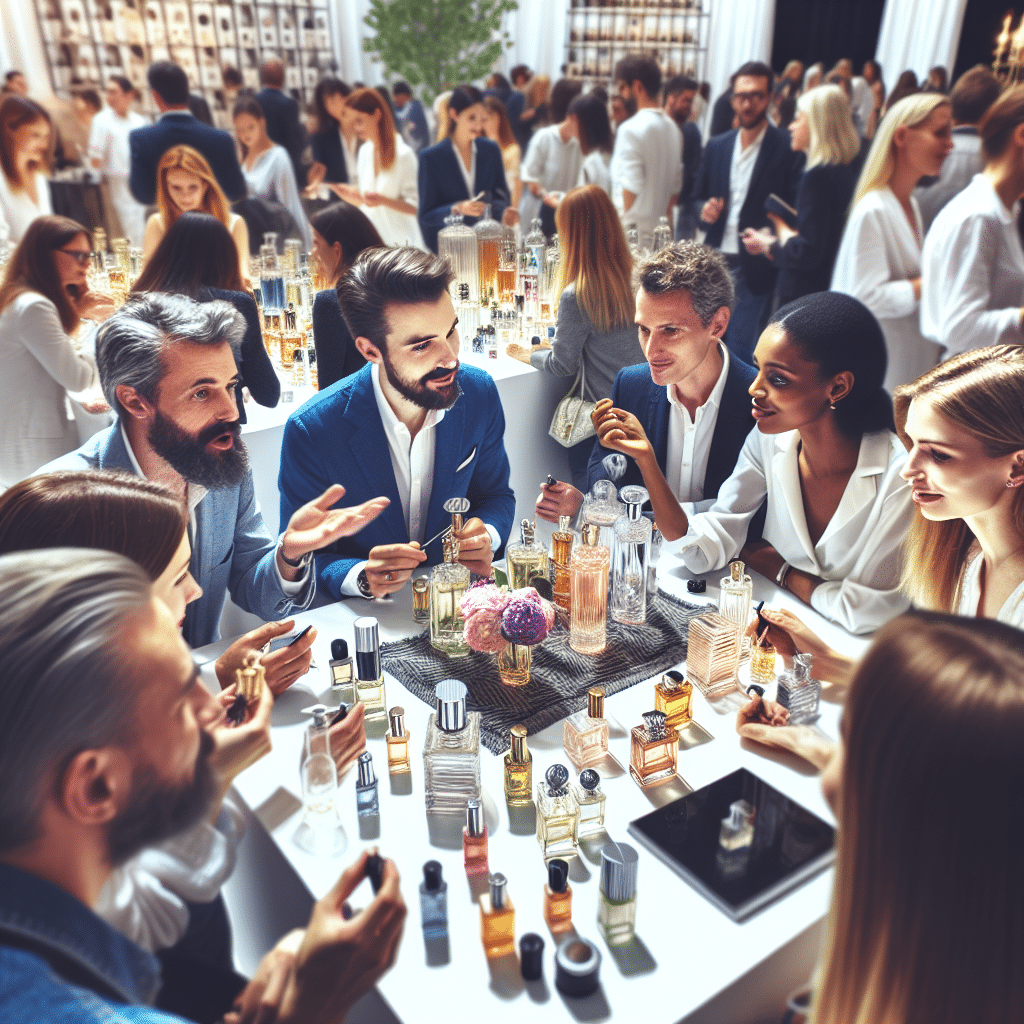
Imagine a gathering of fragrance enthusiasts, each person armed with a unique scent from their luxury collection. The air buzzes with excitement as they share not just their favorite fragrances but the stories behind them. This isn’t just an exchange of bottles; it’s an olfactory dialogue that connects individuals through shared experiences and memories.
A recent study revealed that nearly 60% of fragrance lovers feel more connected to others when discussing scents. This statistic underscores the power of fragrance as a social lubricant, transcending barriers and fostering community among collectors. Whether it’s at a niche perfume event or an intimate gathering, engaging in scent conversations can deepen relationships.
The Role of Fragrance Events
Fragrance events think pop-ups, expos, or workshops serve as fertile ground for building connections. At these gatherings, attendees can sample exclusive releases, meet perfumers, and engage in discussions about olfactory architecture. For instance, imagine attending a workshop where you learn to blend your own scents while sharing insights with fellow enthusiasts about the nuances of Oud versus Vetiver. Such experiences not only refine your palate but also create lasting bonds.
Online Communities: A Digital Haven
In today’s digital age, online communities have emerged as vital spaces for fragrance lovers. Platforms like Instagram and specialized forums allow collectors to showcase their luxury scent collections while engaging in discussions about ingredients and techniques. A dedicated Instagram account can become a portfolio of your olfactory journey sharing photos of your latest acquisitions alongside personal reflections on their scent narratives.
Key takeaway: Engaging with others in the fragrance community enriches your understanding and appreciation of haute parfumerie.
Scent swaps are another popular trend within these communities. Participants send samples to each other, allowing for an exploration of new fragrances without committing to full bottles. This practice encourages openness and generosity among collectors while expanding their luxury scent collections.
Cultivating connections through scent is not only about sharing fragrances; it’s about creating a sense of belonging within this niche yet passionate community. As you build your luxury scent collection, remember that each bottle carries not just its own story but also the potential to connect you with others who appreciate the artistry behind haute parfumerie.
Imagine a gathering of fragrance enthusiasts, each person armed with a unique scent from their luxury collection. The air buzzes with excitement as they share not just their favorite fragrances but the stories behind them. This isn’t just an exchange of bottles; it’s an olfactory dialogue that connects individuals through shared experiences and memories.
A recent study revealed that nearly 60% of fragrance lovers feel more connected to others when discussing scents. This statistic underscores the power of fragrance as a social lubricant, transcending barriers and fostering community among collectors. Whether it’s at a niche perfume event or an intimate gathering, engaging in scent conversations can deepen relationships.
The Role of Fragrance Events
Fragrance events think pop-ups, expos, or workshops serve as fertile ground for building connections. At these gatherings, attendees can sample exclusive releases, meet perfumers, and engage in discussions about olfactory architecture. For instance, imagine attending a workshop where you learn to blend your own scents while sharing insights with fellow enthusiasts about the nuances of Oud versus Vetiver. Such experiences not only refine your palate but also create lasting bonds.
Online Communities: A Digital Haven
In today’s digital age, online communities have emerged as vital spaces for fragrance lovers. Platforms like Instagram and specialized forums allow collectors to showcase their luxury scent collections while engaging in discussions about ingredients and techniques. A dedicated Instagram account can become a portfolio of your olfactory journey sharing photos of your latest acquisitions alongside personal reflections on their scent narratives.
Key takeaway: Engaging with others in the fragrance community enriches your understanding and appreciation of haute parfumerie.
Scent swaps are another popular trend within these communities. Participants send samples to each other, allowing for an exploration of new fragrances without committing to full bottles. This practice encourages openness and generosity among collectors while expanding their luxury scent collections.
Cultivating connections through scent is not only about sharing fragrances; it’s about creating a sense of belonging within this niche yet passionate community. As you build your luxury scent collection, remember that each bottle carries not just its own story but also the potential to connect you with others who appreciate the artistry behind haute parfumerie.