
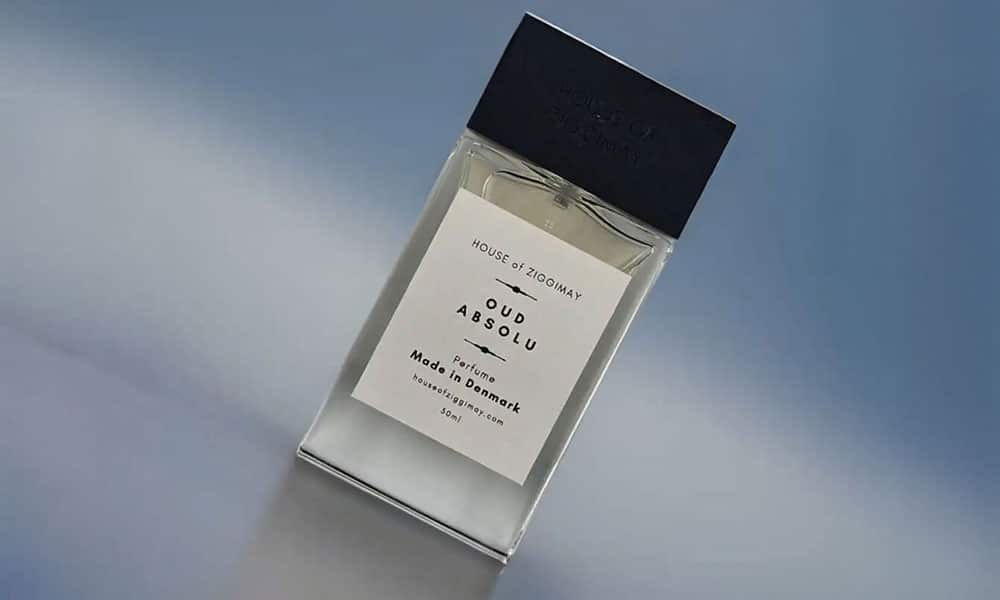
Exclusive, in fragrance, usually means expensive. Occasionally it means something real. The distinction is worth being able to make before you spend.
What genuinely limits supply
A few materials are actually scarce, for reasons that are not marketing.
Oud. Formed when a particular tree responds to infection. Wild sources are largely depleted and protected, so most oud in circulation is cultivated, which is a legitimate answer to the problem rather than a lesser substitute.
Iris. The material comes from the rhizome, which has to dry for two to three years before it is any use, and the yield afterwards is tiny. The cost is real and it is mostly the waiting.
Rose. Roughly three to four tonnes of petals for a kilogram of oil, picked by hand, in a harvest that lasts a few weeks.
Sandalwood. Slow growing to the point where the trees worth harvesting were planted by someone who never saw them cut.
These are the cases where a high price has an explanation you can follow.
What does not limit supply
Numbered bottles. The number is printed, not counted.
Limited editions that never actually end.
Heavy packaging, which is a cost but not a scarcity, and is frequently the largest single line in the price of a luxury fragrance.
The word exclusive on its own, which is available to anyone with a label printer.
The question worth asking
Not whether a fragrance is rare, but what you are paying for.
If the answer is a material that genuinely costs what it costs, that is a reasonable trade. If the answer is a bottle, a box and an advertising campaign, that is also a trade, but you should make it knowing which one you are making.
A useful test: ask what is in it. A house paying for good materials will tell you. A house paying for packaging will describe an atmosphere.
Rarity does not mean suitable
The most expensive material in the world is worthless to you if the composition it sits in does not work on your skin. Iris smells like cold earth and face powder, which some people love and many people quietly dislike, and neither reaction has anything to do with its cost.
Buying an expensive fragrance you do not enjoy wearing is the most common way to waste money in this category, and it happens almost entirely because people buy from a first impression at a counter.
What happened to the classic materials
Several materials that defined perfumery are now unavailable or heavily restricted, and it is worth knowing why.
Natural musk came from an animal and is banned. Every musk in modern perfumery is synthetic, and the good ones are excellent.
Oakmoss is restricted for allergen reasons. It was structural in a whole family of classic compositions, and its restriction is the main reason many older fragrances no longer smell as they did.
Wild agarwood is protected under international trade rules. Cultivated oud is the responsible answer and a serious material in its own right.
None of this is a decline. Restriction has pushed perfumery towards materials that can be supplied without exhausting the source, which is the only sustainable version of the craft.
Rare does not mean better composed
The most common expensive mistake is buying a fragrance for its ingredient list.
A composition containing genuine iris, real oud and rose absolute can still be badly balanced. Materials are the vocabulary, not the sentence. A perfumer with modest materials and a clear idea will beat an expensive list assembled without one, every time.
The reverse also holds: a fragrance built largely from synthetics can be superb, and many of the compositions people consider classics are.
Buying without regret
The pattern to avoid is buying an expensive fragrance you admire rather than enjoy. It is extremely common, and it produces a bottle that sits in a cupboard being respected.
The test is simple and it is not intellectual. Would you be pleased to smell this on yourself on an ordinary Tuesday afternoon, when nobody is looking and there is no occasion. If the honest answer is no, it does not matter what is in it.
Where the price actually goes
A useful rough breakdown, because the assumption that an expensive fragrance contains expensive materials is often wrong.
In a mass-market luxury release, the liquid is frequently the smallest single cost. Bottle and packaging, advertising, licensing and retail margin between them account for the great majority of the shelf price. That is a legitimate business model and it produces some very good fragrances, but it means the price is not evidence about the contents.
A small house has the opposite structure. There is no advertising budget and no retail margin, so proportionally more of what you pay is in the bottle. That is not a virtue, it is arithmetic, and it is the most reliable thing you can infer about buying small.
How to avoid that
Wear it for a day first. Every bottle we send comes with two 1.5 ml samples you pick at checkout, and a Discovery Box holds five, one of each fragrance HOUSE OF ZIGGIMAY makes. Oud Absolu is the heaviest thing we make and the longest lasting, and it is exactly the sort of fragrance nobody should buy without wearing it properly first.