
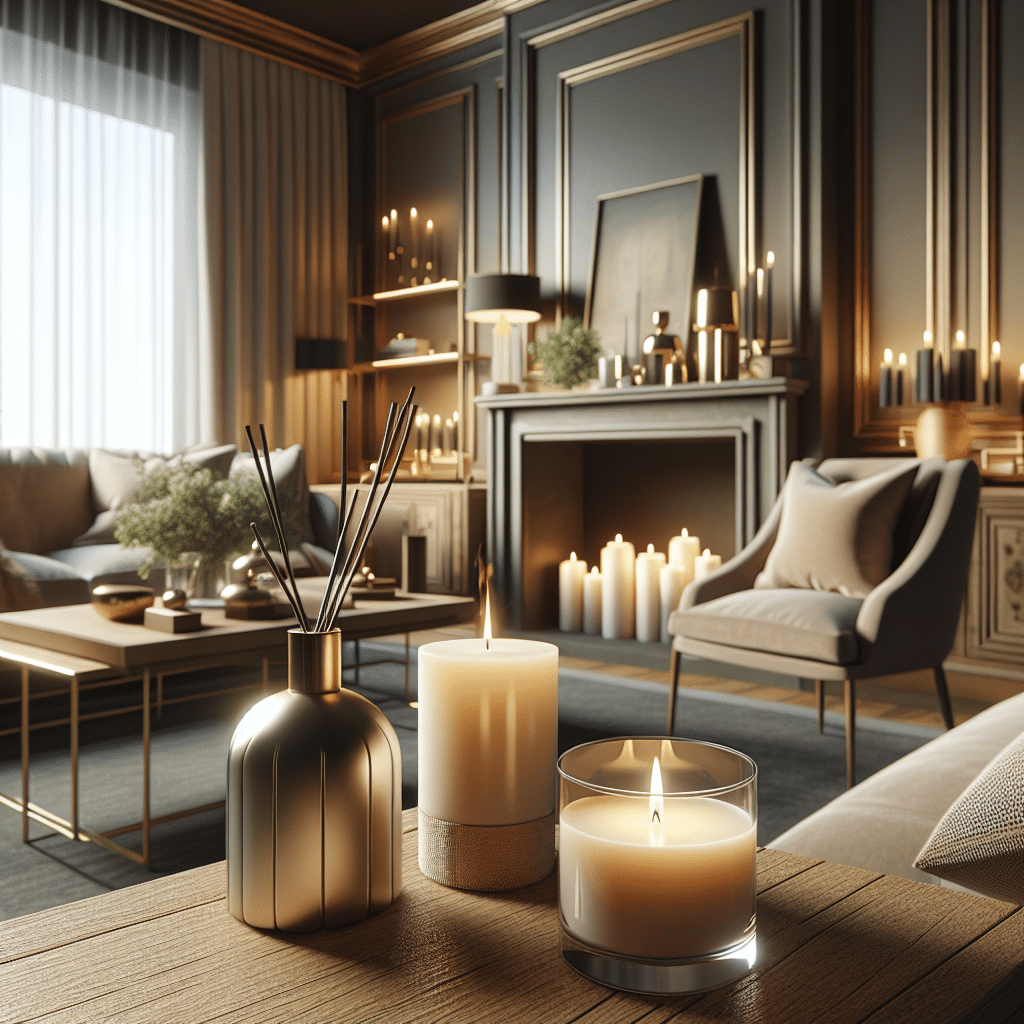
Luxury Home Fragrance: Elevating Your Space with Curated Scents
The Art of Scent Curation in Luxury Spaces
Curating scents for luxury spaces demands a nuanced understanding of olfactory architecture. This practice is best suited for designers and homeowners who appreciate the interplay between scent and spatial design, where each fragrance can evoke specific emotions or memories.
However, one significant limitation lies in the complexity of scent layering. Many assume that simply combining high-quality raw materials will yield a harmonious result. In reality, achieving balance requires expertise in how different notes interact over time, which can lead to unintended olfactory fatigue or discord if not managed properly.
Creating a Cohesive Scent Narrative
In practice, consider a luxury hotel seeking to establish a signature scent for its lobby. The process begins with selecting a base fragrance that embodies the hotel’s ethos perhaps an earthy Vetiver from Haiti combined with bright citrus notes like Bergamot. As guests enter, they experience an immediate olfactory impression that sets the tone for their stay. This initial scent can be complemented by subtle variations in guest rooms using premium reed diffusers that adapt to different spaces without overwhelming the senses.
A well-curated scent not only enhances ambiance but also reinforces brand identity.
Most teams tend to overestimate the impact of complex fragrances, observes industry professionals. They often believe that more ingredients equate to richer experiences. Yet, true sophistication often lies in simplicity carefully selected accords that allow each note to shine without competing against one another.
- High-quality natural ingredients enhance longevity and sillage.
- Less is more should guide fragrance selection for cohesive narratives.
- Signature scents must evolve with context to avoid monotony.
Nordic Minimalism Meets Haute Parfumerie
Nordic minimalism in fragrance design emphasizes clarity, simplicity, and an elegant restraint that eschews excess. This approach is best suited for those who value high-end home scents that reflect a refined aesthetic. The minimalist philosophy prioritizes a few high-quality raw materials over complex compositions, allowing each element to resonate distinctly within the olfactory architecture.
However, this minimalist approach carries a significant trade-off: it can often lead to fragrances that lack depth or evolve too quickly on the skin. Many consumers mistakenly believe that minimalism equates to an absence of complexity. In reality, achieving a sophisticated scent profile with fewer components requires a precise balance and an understanding of how individual notes interact throughout their volatility curve.
Influence of Scandinavian Nature on Scent Composition
The elements of Scandinavian nature profoundly influence the scent composition in luxury fragrances. For example, the use of fresh coniferous notes like Norway Spruce or Silver Fir evokes the briskness of Nordic forests, while earthy accords derived from Moss and Birch ground these fragrances in their natural origins. In practice, this can be seen in upscale room fragrances where such elements are blended with light citrus or floral notes to create an airy yet evocative atmosphere.
The essence of Nordic minimalism lies in capturing the purity and freshness of nature without overwhelming complexity.
Less is more is often misinterpreted when selecting scents for spaces. Many assume that choosing fewer notes will automatically yield a more refined experience; however, they underestimate the importance of how those selected notes must work together to maintain interest over time. A simple combination can lead to olfactory fatigue if not crafted thoughtfully.
Integrating Avant-Garde Artistry into Traditional Perfumery
Avant-garde may seem at odds with minimalism, but when applied correctly, it enhances traditional perfumery by introducing unexpected contrasts such as combining classic accords with modern synthetic compounds like Iso E Super. This integration challenges conventional expectations while maintaining an overall sense of harmony. For instance, using artisan home scents that incorporate both traditional florals and avant-garde synthetic elements can create a luxurious atmosphere that feels both timeless and contemporary.
Crafting Atmosphere: The Science Behind Scent Layering
Scent layering is essential for creating a multidimensional olfactory environment, particularly in luxury home fragrance. This technique is best suited for individuals or designers aiming to cultivate a sophisticated atmosphere that evolves over time. It allows for a more immersive experience by combining various fragrance profiles.
However, achieving the desired depth and nuance can be challenging. A common misconception is that layering multiple fragrances will automatically yield a richer scent experience. In practice, poor combinations can lead to clashing aromas or olfactory fatigue, where the senses become overwhelmed and unable to discern individual notes.
Techniques for Layering Scents for Depth and Nuance
A practical example of scent layering involves using a base fragrance like a warm sandalwood combined with complementary top notes of citrus. In this scenario, applying the sandalwood as a room spray sets the foundational aroma, while strategically placed luxury diffusers release the citrus notes intermittently throughout the space. This method not only adds complexity but also ensures that each note retains its identity without becoming muddled.
Proper scent layering requires an understanding of how different notes interact over time.
- Start with a strong base note that provides longevity.
- Incorporate middle notes to create body and character.
- Use lighter top notes to add freshness and create initial impact.
Less is more often gets misinterpreted in scent layering contexts. Many assume that adding more layers means achieving more complexity; however, it can lead to confusion rather than harmony if not executed thoughtfully. The focus should be on how each layer interacts with one another over time, rather than simply increasing the number of components.
Psychological Effects of Different Scent Combinations
The psychological impact of scents is profound; specific combinations can evoke emotions or memories that enhance the overall ambiance of a space. For instance, pairing floral accords with earthy elements can create an uplifting yet grounding atmosphere. This duality often resonates well within high-end home settings where ambiance plays a critical role in design.
Scent as a Lifestyle Statement: Personal Identity and Home Fragrance
Personal fragrance choices are more than a mere indulgence; they serve as an extension of one’s identity and values. Individuals drawn to luxury home fragrance often seek high-end home scents that align with their aesthetic and lifestyle. This connection can be observed in the meticulous selection of premium home fragrances, where each scent reflects personal tastes and aspirations.
However, there is a critical limitation: the perception that an expensive scent automatically conveys sophistication. Many buyers mistakenly assume that luxury is synonymous with complexity, leading them to choose fragrances with an overwhelming number of notes. In reality, true elegance often resides in simplicity where a well-crafted composition allows individual notes to resonate without competing against one another.
How Fragrance Choices Reflect Personal Style and Values
Consider a discerning homeowner who opts for artisan home scents featuring elements like Oud or Sandalwood. These choices not only enhance the atmosphere but also signal an appreciation for craftsmanship and exclusivity. In practice, the selection process might involve visiting niche boutiques to explore bespoke home fragrance options that resonate deeply with personal experiences or cultural heritage.
- Luxury scented candles can evoke memories tied to specific places or moments.
- High-quality home aromas often reflect broader lifestyle choices, such as sustainability or minimalism.
The right fragrance can articulate personal identity more effectively than clothing or decor.
Misunderstanding often occurs when individuals overestimate how much a complex scent enhances their space. The allure of layering multiple fragrances leads many to create combinations that clash rather than complement, resulting in olfactory fatigue. A focused approach on cohesive scent narratives rather than sheer diversity can yield a more refined experience.
Exploring the Cultural Significance of Home Scents Globally
Home means different things across cultures, and so do scents associated with them. For instance, Mediterranean homes might embrace citrus-based luxury air fresheners while Scandinavian spaces favor minimalist fragrances that echo nature’s freshness. This cultural context adds depth to how individuals curate their spaces with exclusive home fragrances that speak to their roots.
Most consumers do not fully appreciate how cultural narratives shape scent preferences, remarks industry experts. They tend to focus solely on personal preference without considering the broader societal influences at play. Understanding these nuances can significantly enhance one’s fragrance curation process.
Sustainable Practices in Luxury Home Fragrance Production
Sustainable practices in luxury home fragrance production are vital for brands aiming to align with eco-conscious consumers. This approach fits best for high-end home scent brands that prioritize ethical sourcing and environmental impact while maintaining product integrity.
However, a significant limitation exists in the availability of sustainably sourced ingredients. The transition to eco-friendly practices can lead to higher costs and limited access to certain raw materials, affecting the overall fragrance composition. Brands must balance sustainability with the olfactory quality that defines luxury.
Ethical Sourcing of Ingredients in Haute Parfumerie
In practice, consider a luxury scented candle brand that sources its essential oils from farmers who engage in regenerative agriculture. This not only ensures high-quality raw materials but also supports local economies and biodiversity. By fostering direct relationships with growers, brands can maintain transparency regarding their supply chain while enhancing the uniqueness of their products.
A commitment to ethical sourcing cultivates brand loyalty among discerning consumers who value sustainability.
Many brands overestimate consumer understanding of sustainability claims. The assumption that all buyers will prioritize eco-friendly practices can lead to misalignment between product offerings and market expectations. In reality, consumers often require clear, tangible evidence of sustainability efforts before making purchasing decisions.
The Impact of Sustainability on Luxury Branding and Consumer Choices
Greenwashing the practice of misleadingly promoting products as environmentally friendly can severely damage a brand’s reputation when discovered. It’s crucial for luxury home fragrance brands to provide authentic narratives about their sustainable initiatives, ensuring they resonate with informed consumers who demand transparency.
For example, a premium home fragrance line may choose to highlight its use of biodegradable packaging made from recycled materials. This not only reduces environmental impact but also aligns with consumer values around waste reduction.
- High-quality natural ingredients sourced sustainably enhance brand credibility.
- Transparent communication about sustainability efforts fosters consumer trust.
Innovative Practices in Eco-Friendly Packaging and Distribution
The adoption of innovative packaging solutions such as using refillable containers or compostable materials demonstrates commitment to sustainability while appealing to environmentally conscious consumers.
Exploring Niche Fragrance Houses: A Journey through Exclusivity
Niche fragrance houses cater to a discerning clientele that values exclusivity and artistry in their luxury home fragrance selections. These brands are best suited for individuals who seek high-end home scents that offer unique narratives and a personal touch, often reflecting the ethos of their creators.
A significant limitation in this market is the accessibility of these fragrances. Many niche brands produce limited quantities, resulting in higher price points and reduced availability. This exclusivity can create a barrier for potential buyers who may be drawn to the concept of bespoke home fragrances but find themselves unable to purchase due to cost or stock limitations.
Highlighting Emerging Niche Brands with Unique Stories and Scents
Consider a niche fragrance house that crafts its offerings based on specific geographical inspirations, such as coastal Denmark. They might utilize local botanicals like Sea Buckthorn or Wild Thyme, which evoke the region’s natural beauty. In practice, a consumer could curate their space by selecting a luxury diffuser featuring these elements, creating an ambiance that not only smells exquisite but also tells a story of place.
Niche fragrances often embody rich narratives that add depth to the olfactory experience.
Many consumers misjudge the significance of storytelling in fragrances, remarks industry insiders. They often assume that scent complexity alone dictates quality. However, it is the intricate narratives behind these scents rooted in culture, geography, and personal experiences that elevate them beyond mere products into meaningful expressions.
Understanding the Allure of Limited-Edition Fragrances
Limited-edition releases create a sense of urgency among consumers, compelling them to purchase quickly lest they miss out. This marketing strategy fits best for collectors or enthusiasts who appreciate having exclusive items that are not widely available. However, this can lead to impulsive buying decisions driven more by fear of missing out than genuine appreciation for the scent’s composition.
‘The misconception lies in assuming all limited editions will enhance one’s collection,’ experts warn. Consumers often overestimate their appeal based solely on rarity rather than evaluating how well they align with personal taste or existing collections.
Creating Signature Scents for Distinctive Spaces
Signature scents serve as a powerful tool for defining the atmosphere of distinctive spaces, particularly in luxury environments. This approach is best suited for high-end residential or commercial spaces where scent plays a crucial role in shaping emotional experiences.
However, a notable limitation arises from the misconception that any fragrance can be adapted to any environment. The reality is that not all scents perform equally in different contexts; factors like room size, ventilation, and existing decor can significantly alter how a fragrance is perceived. A scent that feels inviting in one space may overwhelm or clash with another.
In practical terms, consider a luxury boutique aiming to create an inviting atmosphere through scent. The process involves selecting a base fragrance perhaps a rich blend of Oud and Cedarwood that aligns with the brand’s identity. This choice is complemented by strategically placed luxury diffusers to ensure consistent diffusion throughout the store, enhancing customer experience without causing olfactory fatigue.
Signature scent strategies often get misapplied by brands who assume that simply having a unique fragrance will suffice for brand identity. Many overlook the importance of context and how scents evolve within different environments over time. A well-crafted signature scent should not only resonate with the brand but also adapt seamlessly to various settings without losing its essence.
- Identify key characteristics of the space to inform fragrance selection.
- Utilize multiple diffusion methods (e.g., candles, diffusers) tailored to specific areas.
- Regularly evaluate how scent influences customer interactions and perceptions.
A signature scent must evolve with context; it should enhance rather than dominate.