
Historical Significance of Rose in Fragrance
Picture this: ancient Egypt, where Cleopatra is said to have bathed in rose petals, enveloping herself in a fragrant cloud that would make any modern perfume lover swoon. The allure of the rose has been captivating hearts and noses for millennia, and its historical significance in fragrance is nothing short of legendary.
The first known distillation of rose oil dates back to the 10th century, but the flower itself has been cherished long before that. From Persian gardens to royal courts, roses have symbolized love and beauty, making them a staple in perfumery. The Romans used them to scent their baths, while the Greeks associated them with Aphrodite, the goddess of love. It’s clear that roses weren’t just pretty flowers; they were the very essence of romance.
Cultural Impact Across Civilizations
Different cultures have woven the rose into their narratives like threads in a tapestry. In India, fragrant roses are integral to religious ceremonies and festivals. Meanwhile, in China, various rose species symbolize wealth and prosperity. Each culture’s embrace of this flower reflects its unique values and aesthetics, showcasing how deeply rooted the rose is in human history.
The Evolution of Rose in Perfume Making
Fast forward to today, where hybrid tea roses and floribunda roses are cultivated not just for their beauty but for their aromatic potential. Modern perfumers exploit these varieties for their complex scents think sweet notes from red roses or fresh hints from pink ones. This evolution has opened up a treasure trove of olfactory possibilities.
- Red Rose: Symbolizing passion and desire.
- Pink Rose: Representing admiration and gratitude.
- White Rose: Evoking purity and innocence.
- Yellow Rose: Signifying friendship and joy.
Fun Fact: The world’s oldest known garden is a rose garden found in Egypt over 3,000 years old!
Rose absolute a concentrated form derived from thousands of petals is often considered liquid gold among perfumers. This precious ingredient adds depth to fragrances that aim to evoke sensuality or nostalgia.
Roses Are Red: A Lasting Legacy
The legacy of rose continues to flourish as contemporary artisans blend traditional techniques with innovative methods. Whether it’s through sustainable farming practices or advanced extraction technologies, today’s perfumers are committed to honoring this flower’s rich history while crafting scents that resonate with modern sensibilities.
As you explore your own journey through fragrance, consider how the historical significance of rose might influence your scent choices. Are you drawn more towards classic compositions featuring this timeless flower or innovative blends that push boundaries? The answer could reveal much about your personal style!
Botanical Diversity: Exploring Different Rose Species in Perfume
Did you know that there are over 150 species of roses, each with its own unique scent profile? This botanical diversity is a treasure trove for perfumers, offering an array of olfactory delights that can evoke different moods and memories.
The Fragrance Spectrum of Roses
Roses aren’t just pretty faces in a bouquet; they are complex scent machines. Each species brings something distinct to the table. For instance, red roses exude a classic, romantic aroma that’s often associated with love and passion. In contrast, the delicate pink rose offers a softer, more playful scent that conveys admiration and gratitude. White roses? Think purity and innocence perfect for those serene moments.
Then we have yellow roses, which burst forth with a cheerful fragrance reminiscent of sunshine and joy. It’s like wearing a warm hug! The climbing roses add an adventurous twist to gardens and perfumes alike, while miniature roses provide compact bursts of fragrance that can surprise you with their intensity.
Hybrid vs. Heirloom: The Perfumer’s Playground
In the world of perfumery, hybrid tea roses reign supreme for their robust scents and beautiful blooms. These modern cultivars have been bred specifically for their aromatic qualities, making them favorites among perfumers seeking complexity in their compositions. On the other hand, heirloom roses those charming old varieties bring nostalgia into the mix with their richly layered fragrances that can transport you back in time.
- Hybrid Tea Roses: Known for bold scents and long stems.
- Floribunda Roses: Offer clusters of blooms with a sweet aroma.
- Grandiflora Roses: A hybrid blend delivering both beauty and fragrance.
- Shrub Roses: Robust plants with diverse scent profiles.
- Wild Roses: Often more fragrant than cultivated varieties.
Pro Tip: When selecting rose varieties for fragrance, consider both their visual appeal and aromatic potential!
Rose absolute is often derived from hundreds of petals from various species think about that next time you catch a whiff! This concentrated essence not only adds depth but also connects us to the very heart of nature through its rich olfactory heritage.
Scenting Your Life with Roses
‘Imagine walking through a rose garden filled with diverse species; each step releases different notes into the air a fragrant symphony! This experience isn’t just limited to gardens; it translates beautifully into perfume crafting as well. So whether you’re curating your own signature scent or simply appreciating the artistry behind your favorite fragrance, understanding these nuances can elevate your olfactory journey.’ By delving into the world of scents, you can discover how different ingredients harmonize to evoke emotions or memories. Exploring fragrance creation techniques, from layering essential oils to incorporating unusual notes, opens up a realm of creativity and personalization. Ultimately, this journey not only enhances your appreciation for scent but also empowers you to express your individuality through your chosen aromas.
Extraction Methods: From Petals to Essence
The journey from rose petals to the exquisite essence we adore is nothing short of alchemy. Did you know that it takes approximately 2,000 roses to produce just one ounce of rose oil? That’s a staggering amount of floral dedication! This labor-intensive process is what makes rose oil one of the most coveted ingredients in haute parfumerie.
The Art of Distillation
At the heart of extracting rose essence lies distillation. This process involves steaming fresh rose petals to capture their aromatic compounds. As the steam rises, it carries essential oils with it, which are then cooled and condensed back into liquid form. The result? A fragrant liquid that embodies the very soul of the flower. But beware the quality of the roses used can significantly impact the final product. Only fragrant roses, like those from a well-tended rose garden, yield oils worthy of haute parfumerie.
Solvent Extraction: A Different Approach
While distillation is a classic method, solvent extraction offers an alternative for capturing more delicate aromas that might be lost in steam. Here, solvents like hexane gently dissolve the essential oils from the petals without applying heat. The result is a concrete a waxy substance loaded with scent which can then be further processed into an absolute by removing the solvent. This method often yields a richer and more complex fragrance profile, making it a favorite among niche perfumers who seek depth and nuance.
Cold Pressing: A Zesty Twist
Cold pressing isn’t just for citrus fruits this technique also finds its way into some rose extractions! While not as common for roses as for oranges or lemons, when applied, it involves mechanically pressing fresh petals to release their oils without heat. This method preserves some volatile compounds that might otherwise evaporate during distillation or solvent extraction, resulting in an essence that has an invigorating freshness.
Choosing between these methods often depends on what a perfumer aims to achieve in their composition. For instance, if they desire a softer floral note reminiscent of blooming gardens at dawn, they might opt for distillation. Conversely, if they’re crafting something bold and complex think deep velvety layers they may lean towards solvent extraction.
The Final Touch: Blending and Aging
Once extracted, these essences aren’t simply bottled up and sent off; they embark on another journey through blending and aging. Master perfumers meticulously combine various extracts to create harmonious compositions that evoke emotions and memories. Some even allow their blends to mature over time much like fine wine to develop richer notes before unveiling them to discerning noses.
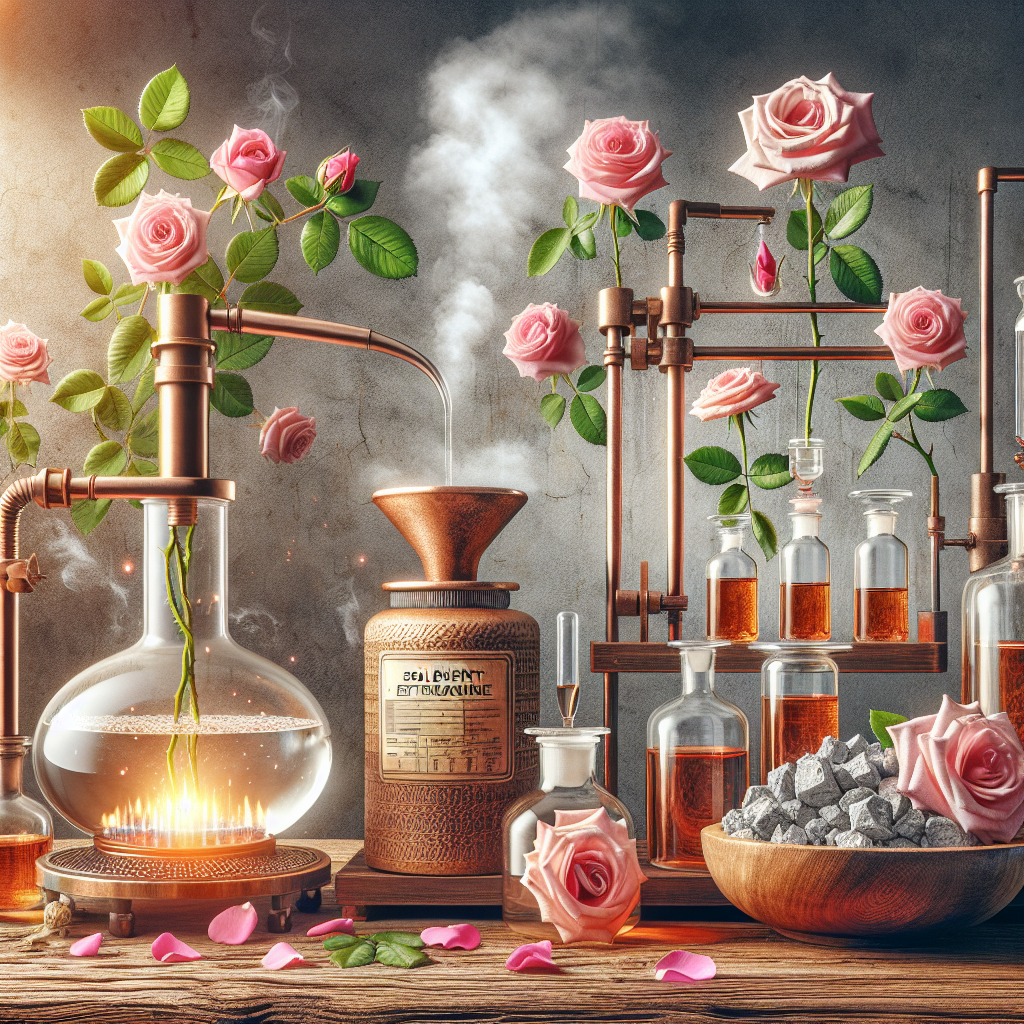
As you delve deeper into your own fragrance journey, consider how these extraction techniques influence your perception of scent. Are you drawn more towards those bright notes captured through cold pressing or perhaps the lush depth found in absolutes? Every choice speaks volumes about your olfactory preferences!
Rose as a Core Note: Blending with Other Fragrance Families
Imagine walking into a luxurious boutique filled with the scent of roses, only to find that the fragrance you’re drawn to isn’t just a straight rose note. Instead, it’s beautifully blended with unexpected companions like rich vanilla and zesty citrus. This is the magic of rose as a core note it can transform and elevate other fragrance families in ways that surprise and delight.
The Versatility of Rose in Perfume
Roses are not just one-dimensional; they play well with others. When combined with woody notes, they can create an earthy, grounding scent that feels both sophisticated and inviting. For instance, pairing rose with sandalwood results in a warm, enveloping aroma reminiscent of walking through a sun-drenched garden after rainfall. Or consider the delightful contrast when you mix rose with fresh citrus think bergamot or lemon which adds an invigorating twist that brightens the floral heart.
Fragrance Families Enhanced by Rose
- Floral: Enhances the natural sweetness and depth of other floral notes like jasmine or lily.
- Woody: Adds complexity to cedarwood or vetiver, creating a rich tapestry of scents.
- Oriental: Infuses warmth when combined with spices like cardamom or cinnamon, resulting in an exotic allure.
- Citrus: Brings freshness when paired with grapefruit or orange blossom, making for an uplifting blend.
Now this is where things break down many assume rose is too delicate to stand up against stronger notes. But here’s the kicker: its inherent complexity allows it to shine through even the most robust combinations.
Rose can be both the star and the supporting actor in your fragrance story.
Rose as a Signature Note
‘Consider brands that have made their mark by mastering this art take Diptyque’s Eau Rose, which marries rose with lychee and honey for a fruity floral experience that feels both modern and timeless. Or look at Chanel’s N°5, where rose is part of an intricate web of notes including jasmine and ylang-ylang, creating an iconic scent that has stood the test of time.’
As you explore your own fragrance preferences, think about how these blends resonate with your personal style. Are you drawn to deeper, more complex compositions? Or do you prefer something light and refreshing? The way rose interacts within these blends might just reveal more about your olfactory identity than you realize.
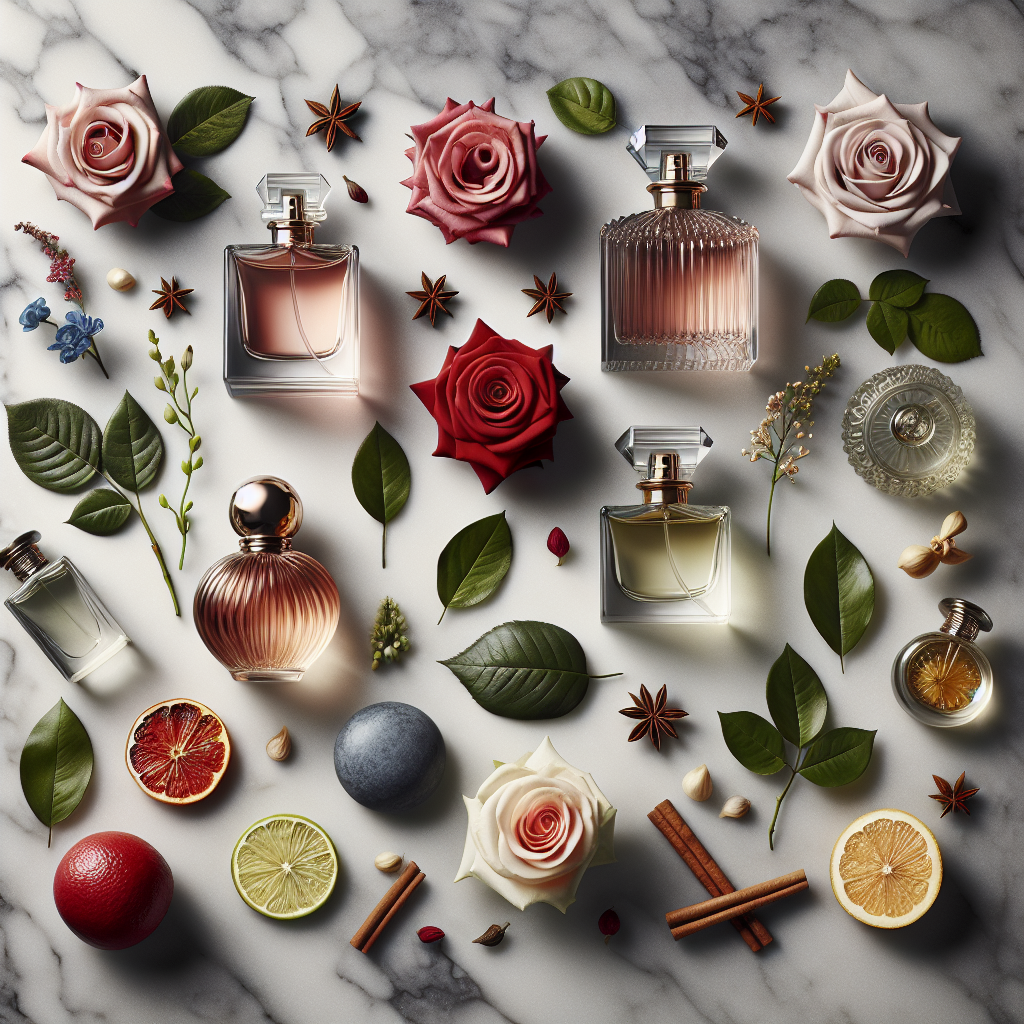
In crafting your signature scent or simply indulging in luxurious fragrances, remember the allure of rose lies not just in its beauty but in its transformative power across olfactory landscapes. Next time you’re exploring scents at your favorite boutique or online shop, keep an eye out for those unique blends featuring our beloved flower.
Olfactory Experience: The Emotional Resonance of Rose Scents
Roses are not merely flowers; they are emotional time capsules. A whiff of rose can transport you back to a cherished moment perhaps a wedding bouquet or a grandmother’s garden. This emotional resonance is no accident; it’s deeply rooted in how our brains process scent.
Consider this: studies show that scents can trigger memories with up to 75% accuracy, far higher than visual cues. That’s why the aroma of a fresh rose can evoke feelings of love, nostalgia, or even longing. When you catch a hint of rose in the air, it’s like opening a door to your past.
The Science Behind Scent and Emotion
The olfactory bulb, responsible for our sense of smell, is directly linked to the limbic system our brain’s emotional center. This connection explains why the fragrance of roses can spark joy or comfort. The delicate balance between floral sweetness and earthy undertones in different rose species enhances this effect.
- Red Rose: Passion and desire.
- Pink Rose: Admiration and gratitude.
- White Rose: Purity and innocence.
- Yellow Rose: Friendship and joy.
Pro Tip: When selecting fragrances, consider how specific rose varieties might resonate with your personal experiences.
Crafting Emotional Connections Through Fragrance
Imagine walking through a rose garden on a summer evening; each bloom releases its scent in waves that evoke different emotions. This sensory experience is what perfumers aim to replicate when creating compositions featuring roses.
‘Take Chanel’s N°5 for example it weaves rose into an intricate tapestry with jasmine and ylang-ylang, crafting not just a scent but an emotional narrative that speaks to timeless elegance.’
Navigating Your Olfactory Journey
As you explore your own fragrance preferences, think about which scents resonate with your memories. Do you lean towards the romantic allure of red roses or the refreshing sweetness of pink ones? Each choice reveals something about your emotional landscape.
Craftsmanship and Artistry in Haute Parfumerie Using Rose
When it comes to haute parfumerie, the rose isn’t just a pretty face; it’s the beating heart of craftsmanship and artistry. This floral gem is the canvas upon which master perfumers paint their olfactory masterpieces. With over 150 species of roses available, each brings its own unique personality, allowing for an endless palette of scent combinations.
Take the red rose, for example. It embodies passion and desire, making it a staple in romantic fragrances. In contrast, the delicate pink rose whispers admiration and gratitude, perfect for those soft, tender moments. This versatility is what makes roses so appealing to perfumers they’re not just ingredients; they’re storytellers.
The Art of Blending: A Perfumer’s Perspective
Blending is where the magic happens. Crafting a fragrance with rose requires not just technical skill but also an intuitive understanding of how different notes interact. A master perfumer might blend red roses with woody notes like sandalwood to create a warm embrace or pair them with zesty citrus to evoke a refreshing burst of energy.
- Rose with Sandalwood: A warm and inviting aroma.
- Rose with Bergamot: An uplifting floral citrus blend.
- Rose with Vanilla: A sweet and comforting embrace.
Roses can be both the star and the supporting actor in your fragrance story.
The Craftsmanship Behind Extraction
Extraction methods are crucial in capturing the essence of rose. The journey from petal to perfume involves intricate processes like steam distillation or solvent extraction. Each method yields different facets of the rose’s character think about how distillation captures that fresh morning dew while solvent extraction reveals deeper, richer layers.
The craftsmanship doesn’t stop at extraction; it continues through blending and aging. Just like fine wine, some fragrances benefit from maturing over time, allowing their notes to harmonize beautifully before being presented to discerning noses.
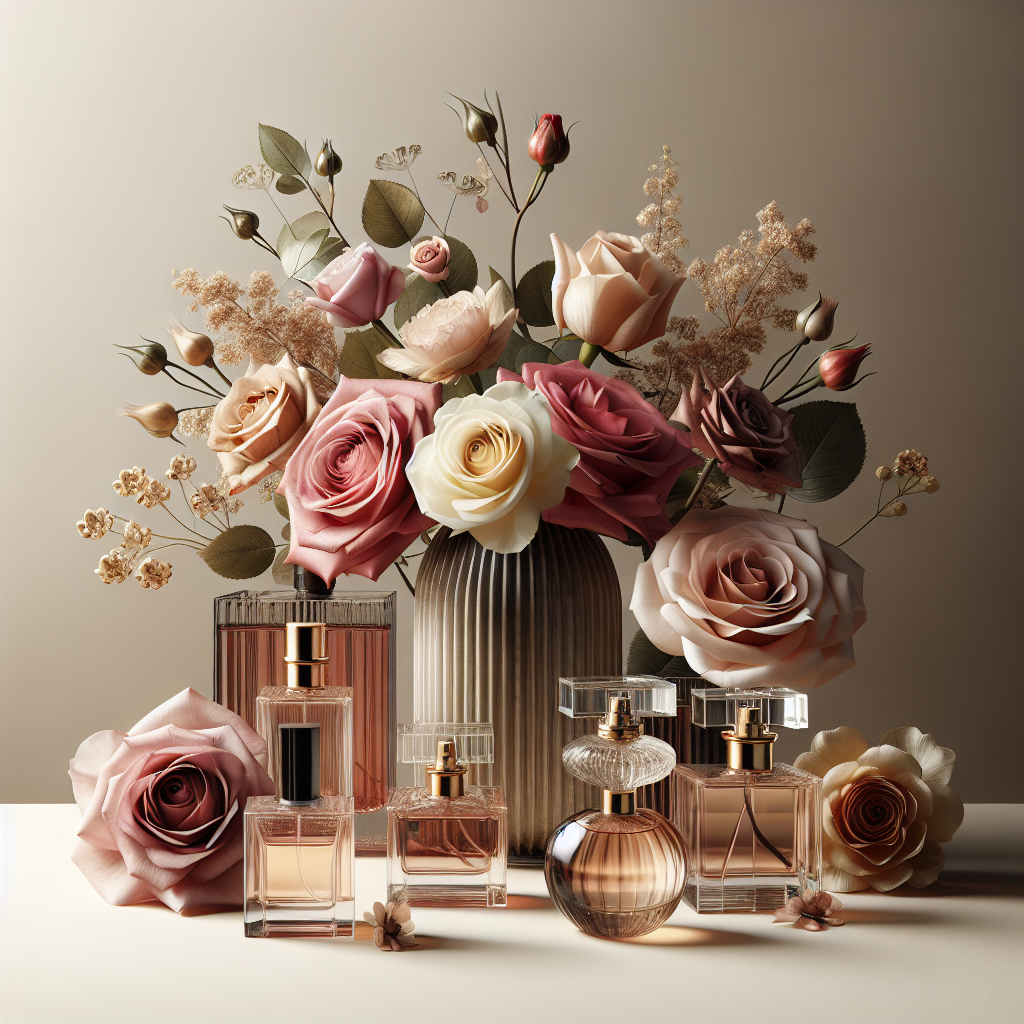
Ultimately, crafting a fragrance that features rose as a core note is not merely about combining ingredients; it’s about creating an emotional experience that resonates deeply with wearers. As you explore fragrances infused with this timeless flower, consider how each scent tells a story uniquely yours.
Future Directions: The Evolution of Rose in Perfumery Trends
The rose is experiencing a renaissance in the world of haute parfumerie, and it’s not just because of its timeless beauty. Recent trends show that rose fragrances are being reimagined with a modern twist, appealing to a new generation of scent enthusiasts who crave both nostalgia and innovation.
According to a report by Grand View Research, the global perfume market is projected to reach $64 billion by 2025, with floral notes especially rose taking center stage. This surge indicates a shift towards more complex and layered olfactory experiences that resonate with consumers seeking authenticity in fragrance.
Sustainable Sourcing: A New Era for Rose Cultivation
As we move into an era where sustainability is paramount, the cultivation of roses for perfumery is also evolving. Eco-conscious consumers are demanding transparency about sourcing practices. This has led to an increase in organic rose farms that prioritize biodiversity and sustainable farming methods. Imagine walking through a lush rose garden where each bloom is nurtured without synthetic fertilizers or pesticides this is the future that many perfumers are striving for.
Brands like Maison Francis Kurkdjian are already embracing this trend by utilizing sustainably sourced ingredients that tell a story of care and respect for nature. The result? Fragrances that not only smell exquisite but also resonate with ethical values.
Innovative Blending Techniques
Here’s where things get really exciting! Modern perfumers are experimenting with innovative blending techniques that push the boundaries of traditional rose scents. By incorporating unexpected ingredients like saffron or even smoky notes, they create olfactory landscapes that challenge our perceptions of what rose can be.
- Rose paired with saffron: A luxurious and exotic blend.
- Rose combined with oud: An earthy twist that adds depth.
- Rose infused with marine notes: A fresh take reminiscent of ocean breezes.
These innovative pairings not only redefine the classic rose scent but also cater to diverse consumer preferences.
The Rise of Niche Perfumeries
The niche perfumery movement has taken the fragrance world by storm, and roses are at its heart. Smaller brands are focusing on artisanal methods, offering unique interpretations of this beloved flower. For example, brands like Diptyque and Le Labo craft limited-edition releases that highlight rare rose species or incorporate local flora into their formulas.
This trend towards exclusivity allows connoisseurs to explore rare scents while supporting small-scale producers who value craftsmanship over mass production.