
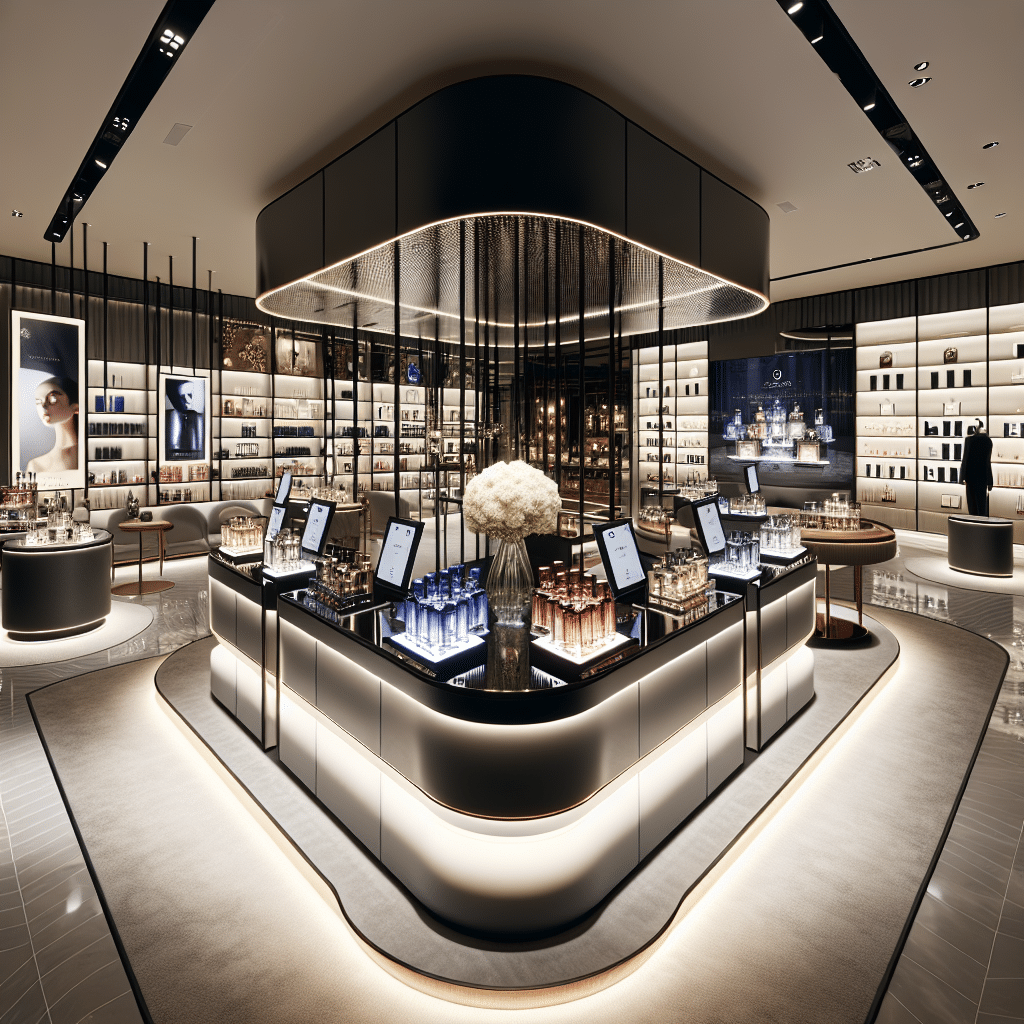
The Designer Fragrance Boutique Experience: Where Curation Meets Luxury
The Art of Curation in Designer Fragrance Boutiques
Curation within a designer fragrance boutique transcends mere selection; it embodies a meticulous process that balances exclusivity with quality. This approach is best suited for boutiques aiming to establish themselves as connoisseurs of fine perfumery, appealing to an elite clientele that values both uniqueness and craftsmanship.
Criteria for selecting fragrances: balancing exclusivity and quality
The criteria for fragrance selection hinge on two primary factors: the rarity of ingredients and the overall olfactory architecture. Boutique owners often prioritize scents that utilize rare raw materials, such as Oud or Ambergris, which not only enhance exclusivity but also elevate the perceived quality of the fragrance. However, this focus can lead to significant trade-offs. For instance, sourcing these materials can inflate costs, potentially alienating a broader customer base while simultaneously elevating the boutique’s luxury status.
The role of scent storytelling in the curation process
Scent storytelling plays a crucial role in how fragrances are curated and presented. Each scent narrative is crafted to evoke specific emotions or memories, enhancing the consumer’s connection to the product. For example, a fragrance inspired by Scandinavian landscapes may incorporate notes like Birch Tar or Juniper to create a narrative steeped in nature. However, teams often overestimate the impact of storytelling alone without considering the actual performance metrics of the fragrance itself such as sillage and longevity which ultimately dictate consumer satisfaction.
How boutique owners cultivate personal relationships with perfumers
Boutique owners typically invest time in fostering personal relationships with perfumers, often leading to exclusive collaborations that yield unique offerings. This relationship allows boutiques access to limited-edition releases or custom formulations that are not available elsewhere. A practical workflow might involve regular visits to perfume houses where owners can discuss upcoming trends and ingredient sourcing directly with perfumers. However, reliance on personal relationships can also create vulnerabilities; if a key perfumer departs or shifts focus, it may disrupt established lines and affect sales.
Exclusivity without quality compromises brand integrity.
Curation within a designer fragrance boutique transcends mere selection; it embodies a meticulous process that balances exclusivity with quality. This approach is best suited for boutiques aiming to establish themselves as connoisseurs of fine perfumery, appealing to an elite clientele that values both uniqueness and craftsmanship.
Criteria for selecting fragrances: balancing exclusivity and quality
The criteria for fragrance selection hinge on two primary factors: the rarity of ingredients and the overall olfactory architecture. Boutique owners often prioritize scents that utilize rare raw materials, such as Oud or Ambergris, which not only enhance exclusivity but also elevate the perceived quality of the fragrance. However, this focus can lead to significant trade-offs. For instance, sourcing these materials can inflate costs, potentially alienating a broader customer base while simultaneously elevating the boutique’s luxury status.
The role of scent storytelling in the curation process
Scent storytelling plays a crucial role in how fragrances are curated and presented. Each scent narrative is crafted to evoke specific emotions or memories, enhancing the consumer’s connection to the product. For example, a fragrance inspired by Scandinavian landscapes may incorporate notes like Birch Tar or Juniper to create a narrative steeped in nature. However, teams often overestimate the impact of storytelling alone without considering the actual performance metrics of the fragrance itself such as sillage and longevity which ultimately dictate consumer satisfaction.
How boutique owners cultivate personal relationships with perfumers
Boutique owners typically invest time in fostering personal relationships with perfumers, often leading to exclusive collaborations that yield unique offerings. This relationship allows boutiques access to limited-edition releases or custom formulations that are not available elsewhere. A practical workflow might involve regular visits to perfume houses where owners can discuss upcoming trends and ingredient sourcing directly with perfumers. However, reliance on personal relationships can also create vulnerabilities; if a key perfumer departs or shifts focus, it may disrupt established lines and affect sales.
Exclusivity without quality compromises brand integrity.
Experiential Elements of a Luxury Fragrance Boutique
The experiential elements of a designer fragrance boutique are not merely enhancements; they are integral to the luxury experience itself. This environment is best suited for discerning clientele who appreciate the nuances of scent and the artistry behind it. Such boutiques create immersive spaces that engage all senses, enhancing the overall perception of luxury.
Sensory design: creating an immersive olfactory environment
A thoughtfully designed sensory environment is crucial in a luxury fragrance boutique. The strategic use of ambient scents, lighting, and spatial design can evoke specific emotions and heighten the olfactory experience. For instance, integrating soft lighting with natural materials can create a calming atmosphere that allows customers to explore fragrances without distraction. However, one limitation is that over-engineering these sensory elements can lead to sensory overload, detracting from the individual fragrance experience.
Personalized fragrance consultations and their significance
Personalized consultations serve as a cornerstone in luxury fragrance boutiques. Trained staff engage customers in discussions about their preferences, guiding them through scent families and olfactory architecture. A typical workflow might involve assessing a client’s existing favorites and tailoring recommendations based on individual tastes. This approach not only enhances customer satisfaction but also fosters loyalty. However, teams often overestimate the effectiveness of consultations without adequately training staff on scent chemistry, which can lead to mismatched recommendations.
Integration of art and design in boutique aesthetics
Artistry in boutique design extends beyond mere visual appeal; it encompasses the entire aesthetic experience that reflects the brand’s identity. The choice of display cases, artwork, and even packaging should resonate with the brand’s narrative while maintaining functionality. For example, using minimalist Scandinavian design elements can enhance perceptions of purity and refinement associated with high-quality ingredients like Iso E Super or Violet Leaf. Yet, there is a risk that an overly curated aesthetic may alienate potential customers who seek authenticity over style.
Immersive experiences are not just about luxury; they are about connection.
The experiential elements of a designer fragrance boutique are not merely enhancements; they are integral to the luxury experience itself. This environment is best suited for discerning clientele who appreciate the nuances of scent and the artistry behind it. Such boutiques create immersive spaces that engage all senses, enhancing the overall perception of luxury.
Sensory design: creating an immersive olfactory environment
A thoughtfully designed sensory environment is crucial in a luxury fragrance boutique. The strategic use of ambient scents, lighting, and spatial design can evoke specific emotions and heighten the olfactory experience. For instance, integrating soft lighting with natural materials can create a calming atmosphere that allows customers to explore fragrances without distraction. However, one limitation is that over-engineering these sensory elements can lead to sensory overload, detracting from the individual fragrance experience.
Personalized fragrance consultations and their significance
Personalized consultations serve as a cornerstone in luxury fragrance boutiques. Trained staff engage customers in discussions about their preferences, guiding them through scent families and olfactory architecture. A typical workflow might involve assessing a client’s existing favorites and tailoring recommendations based on individual tastes. This approach not only enhances customer satisfaction but also fosters loyalty. However, teams often overestimate the effectiveness of consultations without adequately training staff on scent chemistry, which can lead to mismatched recommendations.
Integration of art and design in boutique aesthetics
Artistry in boutique design extends beyond mere visual appeal; it encompasses the entire aesthetic experience that reflects the brand’s identity. The choice of display cases, artwork, and even packaging should resonate with the brand’s narrative while maintaining functionality. For example, using minimalist Scandinavian design elements can enhance perceptions of purity and refinement associated with high-quality ingredients like Iso E Super or Violet Leaf. Yet, there is a risk that an overly curated aesthetic may alienate potential customers who seek authenticity over style.
Immersive experiences are not just about luxury; they are about connection.
Nordic Minimalism: A Defining Influence on Boutique Fragrances
Nordic minimalism significantly shapes the olfactory architecture of boutique fragrances, emphasizing simplicity and purity. This aesthetic is best suited for boutiques that cater to discerning customers seeking refined sophistication without unnecessary embellishments.
Characteristics of Nordic minimalism in scent profiles
Fragrances influenced by Nordic minimalism often feature clean lines in their scent profiles, utilizing a limited number of high-quality ingredients to create a balanced and harmonious experience. Notes such as Birch, Pine, and Sea Salt are common, evoking the serene landscapes of Scandinavia. However, the trade-off here is that while these scents may appeal to a niche market, they can lack the complexity that some consumers expect from luxury fragrances.
Case studies of fragrances inspired by Scandinavian landscapes
HOUSE OF ZIGGIMAY‘s fragrance line exemplifies this influence, with scents like Nordic Dawn capturing the essence of a crisp morning in a pine forest. The composition features top notes of Juniper Berries and heart notes of Cypress, culminating in a base of Moss. This approach not only highlights regional characteristics but also reinforces the brand’s commitment to authenticity in its offerings.
The impact of simplicity on luxury fragrance perception
Less is more resonates deeply within the context of luxury fragrances inspired by Nordic minimalism. The focus on fewer elements allows for greater transparency regarding ingredient sourcing and quality. However, many teams overestimate consumer appreciation for this simplicity; they often neglect the necessity for depth and evolution in scent narratives. A fragrance that does not evolve may fail to engage users throughout its wear time, diminishing its overall appeal.
Less is more can enhance transparency but may also limit consumer engagement if not executed thoughtfully.
Nordic minimalism significantly shapes the olfactory architecture of boutique fragrances, emphasizing simplicity and purity. This aesthetic is best suited for boutiques that cater to discerning customers seeking refined sophistication without unnecessary embellishments.
Characteristics of Nordic minimalism in scent profiles
Fragrances influenced by Nordic minimalism often feature clean lines in their scent profiles, utilizing a limited number of high-quality ingredients to create a balanced and harmonious experience. Notes such as Birch, Pine, and Sea Salt are common, evoking the serene landscapes of Scandinavia. However, the trade-off here is that while these scents may appeal to a niche market, they can lack the complexity that some consumers expect from luxury fragrances.
Case studies of fragrances inspired by Scandinavian landscapes
HOUSE OF ZIGGIMAY‘s fragrance line exemplifies this influence, with scents like Nordic Dawn capturing the essence of a crisp morning in a pine forest. The composition features top notes of Juniper Berries and heart notes of Cypress, culminating in a base of Moss. This approach not only highlights regional characteristics but also reinforces the brand’s commitment to authenticity in its offerings.
The impact of simplicity on luxury fragrance perception
Less is more resonates deeply within the context of luxury fragrances inspired by Nordic minimalism. The focus on fewer elements allows for greater transparency regarding ingredient sourcing and quality. However, many teams overestimate consumer appreciation for this simplicity; they often neglect the necessity for depth and evolution in scent narratives. A fragrance that does not evolve may fail to engage users throughout its wear time, diminishing its overall appeal.
Less is more can enhance transparency but may also limit consumer engagement if not executed thoughtfully.
Haute Parfumerie: The Complexity Behind Artisan Craftsmanship
Artisan craftsmanship in haute parfumerie is best suited for discerning fragrance connoisseurs who appreciate the meticulous processes behind each scent. This level of expertise is critical for boutiques aiming to differentiate themselves in a crowded market, where the quality of ingredients and the complexity of olfactory architecture are paramount.
Understanding the intricacies of ingredient sourcing and blending
The sourcing of raw materials is a complex endeavor that impacts both quality and cost. Many high-end fragrances utilize rare ingredients such as Oud or Ambergris, which can significantly elevate their market value. However, this focus on exclusivity often comes with trade-offs; sourcing these materials can lead to supply chain vulnerabilities and inflated prices, which may deter potential customers who prioritize affordability over rarity.
The significance of traditional techniques versus modern innovation
Traditional techniques, such as enfleurage and steam distillation, remain integral to creating complex fragrances that are rich in character. Yet, modern innovations like synthetic aromachemicals allow for greater consistency and creativity in olfactory design. A practical example involves using synthetic compounds to enhance sillage without compromising the integrity of natural ingredients. However, many teams overestimate the appeal of novelty; consumers often seek authenticity and emotional resonance from their scents, which can be undermined by overly synthetic compositions.
Exploring the role of sustainability in haute perfumery practices
Sustainability has emerged as a crucial consideration within haute parfumerie, influencing not only ingredient sourcing but also production practices. Brands that prioritize sustainable methods often find favor among environmentally conscious consumers. However, this commitment can lead to dilemmas; sustainable sourcing may limit access to certain high-quality materials or increase costs due to ethical procurement practices. For instance, while using sustainably harvested Vetiver Haiti enhances brand integrity, it may also result in higher retail prices that could alienate some clientele.
Sustainability efforts must balance ethical concerns with consumer accessibility.
Artisan craftsmanship in haute parfumerie is best suited for discerning fragrance connoisseurs who appreciate the meticulous processes behind each scent. This level of expertise is critical for boutiques aiming to differentiate themselves in a crowded market, where the quality of ingredients and the complexity of olfactory architecture are paramount.
Understanding the intricacies of ingredient sourcing and blending
The sourcing of raw materials is a complex endeavor that impacts both quality and cost. Many high-end fragrances utilize rare ingredients such as Oud or Ambergris, which can significantly elevate their market value. However, this focus on exclusivity often comes with trade-offs; sourcing these materials can lead to supply chain vulnerabilities and inflated prices, which may deter potential customers who prioritize affordability over rarity.
The significance of traditional techniques versus modern innovation
Traditional techniques, such as enfleurage and steam distillation, remain integral to creating complex fragrances that are rich in character. Yet, modern innovations like synthetic aromachemicals allow for greater consistency and creativity in olfactory design. A practical example involves using synthetic compounds to enhance sillage without compromising the integrity of natural ingredients. However, many teams overestimate the appeal of novelty; consumers often seek authenticity and emotional resonance from their scents, which can be undermined by overly synthetic compositions.
Exploring the role of sustainability in haute perfumery practices
Sustainability has emerged as a crucial consideration within haute parfumerie, influencing not only ingredient sourcing but also production practices. Brands that prioritize sustainable methods often find favor among environmentally conscious consumers. However, this commitment can lead to dilemmas; sustainable sourcing may limit access to certain high-quality materials or increase costs due to ethical procurement practices. For instance, while using sustainably harvested Vetiver Haiti enhances brand integrity, it may also result in higher retail prices that could alienate some clientele.
Sustainability efforts must balance ethical concerns with consumer accessibility.
Cultural Contexts: The Global Appeal of Designer Fragrances
The global appeal of designer fragrances is deeply influenced by cultural narratives that shape consumer preferences. This phenomenon is best suited for boutiques that cater to a diverse clientele, recognizing that fragrance choices often reflect regional values and traditions.
How cultural narratives shape fragrance preferences across regions
Fragrance preferences are not merely personal; they are often a reflection of cultural identity. For instance, in Middle Eastern markets, the affinity for rich and opulent scents like Oud is prevalent, while Western consumers may gravitate towards fresher, lighter compositions. This divergence underscores the necessity for boutiques to curate offerings that resonate with local sensibilities. However, a limitation arises when boutiques attempt to impose a singular narrative across diverse markets, which can alienate potential customers who seek authenticity in their scent choices.
Influence of global luxury markets on boutique offerings
The global luxury market significantly shapes what fragrances are available in designer fragrance boutiques. Brands often tailor their collections based on emerging trends observed in affluent markets such as Asia and Europe. For example, the rise of niche perfumery in cities like Tokyo has led to an increased demand for unique scent profiles that challenge traditional olfactory norms. However, this trend can create pressure on boutique owners to prioritize novelty over quality; many fail to recognize that not all trends translate effectively across different cultures.
Comparative analysis of Eastern vs. Western fragrance trends
Eastern fragrances often emphasize depth and complexity through layered notes and prolonged sillage, appealing to consumers who value lasting impressions. In contrast, Western fragrances frequently focus on simplicity and freshness, with an emphasis on top notes that provide immediate appeal. A practical workflow involves boutiques analyzing sales data from various regions to inform their inventory decisions; however, many teams overestimate the universality of these trends without considering local consumer behavior nuances.
Cultural sensitivity is crucial when curating designer fragrance selections.
The global appeal of designer fragrances is deeply influenced by cultural narratives that shape consumer preferences. This phenomenon is best suited for boutiques that cater to a diverse clientele, recognizing that fragrance choices often reflect regional values and traditions.
How cultural narratives shape fragrance preferences across regions
Fragrance preferences are not merely personal; they are often a reflection of cultural identity. For instance, in Middle Eastern markets, the affinity for rich and opulent scents like Oud is prevalent, while Western consumers may gravitate towards fresher, lighter compositions. This divergence underscores the necessity for boutiques to curate offerings that resonate with local sensibilities. However, a limitation arises when boutiques attempt to impose a singular narrative across diverse markets, which can alienate potential customers who seek authenticity in their scent choices.
Influence of global luxury markets on boutique offerings
The global luxury market significantly shapes what fragrances are available in designer fragrance boutiques. Brands often tailor their collections based on emerging trends observed in affluent markets such as Asia and Europe. For example, the rise of niche perfumery in cities like Tokyo has led to an increased demand for unique scent profiles that challenge traditional olfactory norms. However, this trend can create pressure on boutique owners to prioritize novelty over quality; many fail to recognize that not all trends translate effectively across different cultures.
Comparative analysis of Eastern vs. Western fragrance trends
Eastern fragrances often emphasize depth and complexity through layered notes and prolonged sillage, appealing to consumers who value lasting impressions. In contrast, Western fragrances frequently focus on simplicity and freshness, with an emphasis on top notes that provide immediate appeal. A practical workflow involves boutiques analyzing sales data from various regions to inform their inventory decisions; however, many teams overestimate the universality of these trends without considering local consumer behavior nuances.
Cultural sensitivity is crucial when curating designer fragrance selections.
The Role of Exclusivity in Luxury Retail Experiences
Exclusivity is a cornerstone of the luxury retail experience, particularly within designer fragrance boutiques. This strategy is best suited for brands aiming to cultivate a sense of prestige and desirability among their clientele, who often seek unique offerings that reflect their personal status.
Limited editions and their psychological impact on consumers
Limited-edition fragrances create a heightened sense of urgency and desirability. The psychology behind scarcity drives consumers to perceive these offerings as more valuable, often resulting in increased sales. For instance, a boutique might release a seasonal scent available for only three months, compelling collectors and enthusiasts to purchase immediately. However, this approach can backfire; if the scent does not meet consumer expectations in terms of quality or performance, it risks damaging the brand’s reputation.
Membership programs and private events as engagement tools
Membership programs and exclusive events serve as effective engagement strategies for luxury boutiques. These initiatives allow brands to foster deeper connections with their clientele by offering personalized experiences such as private fragrance consultations or previews of upcoming releases. A practical workflow might involve inviting top customers to an intimate event where they can sample new fragrances before the official launch. However, boutiques must be cautious; overemphasis on exclusivity can alienate potential customers who feel excluded from these experiences.
Balancing accessibility with exclusivity in boutique strategies
Accessibility versus exclusivity presents a significant challenge for designer fragrance boutiques. While creating an exclusive atmosphere attracts high-end clients, it can also limit broader market appeal. Brands must carefully navigate this balance; offering select products that are accessible without compromising the allure of exclusivity is essential. Many teams misjudge this balance by either restricting access too much or diluting their brand identity through overexposure in mainstream markets.
Exclusivity should enhance brand value without alienating potential customers.
Exclusivity is a cornerstone of the luxury retail experience, particularly within designer fragrance boutiques. This strategy is best suited for brands aiming to cultivate a sense of prestige and desirability among their clientele, who often seek unique offerings that reflect their personal status.
Limited editions and their psychological impact on consumers
Limited-edition fragrances create a heightened sense of urgency and desirability. The psychology behind scarcity drives consumers to perceive these offerings as more valuable, often resulting in increased sales. For instance, a boutique might release a seasonal scent available for only three months, compelling collectors and enthusiasts to purchase immediately. However, this approach can backfire; if the scent does not meet consumer expectations in terms of quality or performance, it risks damaging the brand’s reputation.
Membership programs and private events as engagement tools
Membership programs and exclusive events serve as effective engagement strategies for luxury boutiques. These initiatives allow brands to foster deeper connections with their clientele by offering personalized experiences such as private fragrance consultations or previews of upcoming releases. A practical workflow might involve inviting top customers to an intimate event where they can sample new fragrances before the official launch. However, boutiques must be cautious; overemphasis on exclusivity can alienate potential customers who feel excluded from these experiences.
Balancing accessibility with exclusivity in boutique strategies
Accessibility versus exclusivity presents a significant challenge for designer fragrance boutiques. While creating an exclusive atmosphere attracts high-end clients, it can also limit broader market appeal. Brands must carefully navigate this balance; offering select products that are accessible without compromising the allure of exclusivity is essential. Many teams misjudge this balance by either restricting access too much or diluting their brand identity through overexposure in mainstream markets.
Exclusivity should enhance brand value without alienating potential customers.
Future Trends in Designer Fragrance Boutiques
The intersection of technology and luxury is reshaping the designer fragrance boutique landscape. This is particularly beneficial for boutiques that prioritize personalized customer experiences, as technological advancements can enhance engagement and satisfaction.
Technological advancements enhancing customer experiences
Innovative tools such as augmented reality (AR) and artificial intelligence (AI) are increasingly being integrated into the shopping experience. For instance, AR applications allow customers to visualize how a fragrance might evolve over time on their skin, while AI can analyze preferences to suggest tailored scent profiles. However, reliance on technology can introduce challenges; if not implemented thoughtfully, it may detract from the personal touch that defines luxury boutiques.
Emerging scent trends influenced by societal changes
Clean and sustainable fragrances are gaining traction as consumers become more environmentally conscious. This trend is best suited for boutiques that are committed to ethical sourcing and transparency in their ingredient lists. Yet, this focus on sustainability can lead to limitations; sourcing eco-friendly materials often comes at a premium, which may increase retail prices and alienate cost-sensitive customers.
Scent-as-a-service: exploring subscription models for luxury fragrances
Scent-as-a-service models are emerging as a way for boutiques to offer curated fragrance experiences without requiring large upfront investments from consumers. A practical example would be a boutique offering monthly subscriptions where customers receive exclusive samples of new releases or limited editions. However, many teams misjudge the long-term viability of these models; they often overlook the necessity for ongoing engagement and quality assurance to retain subscribers.
Phygital experiences: blending physical and digital retail environments
Phygital strategies combine online convenience with offline luxury. For instance, a boutique might utilize an app that allows customers to reserve in-store consultations or pre-select samples based on their online preferences. While this hybrid approach enhances accessibility, it risks diluting the exclusivity that many high-end clients seek; if not carefully managed, it could lead to an oversaturation of brand interactions.
Phygital strategies must maintain exclusivity while enhancing accessibility.
The intersection of technology and luxury is reshaping the designer fragrance boutique landscape. This is particularly beneficial for boutiques that prioritize personalized customer experiences, as technological advancements can enhance engagement and satisfaction.
Technological advancements enhancing customer experiences
Innovative tools such as augmented reality (AR) and artificial intelligence (AI) are increasingly being integrated into the shopping experience. For instance, AR applications allow customers to visualize how a fragrance might evolve over time on their skin, while AI can analyze preferences to suggest tailored scent profiles. However, reliance on technology can introduce challenges; if not implemented thoughtfully, it may detract from the personal touch that defines luxury boutiques.
Emerging scent trends influenced by societal changes
Clean and sustainable fragrances are gaining traction as consumers become more environmentally conscious. This trend is best suited for boutiques that are committed to ethical sourcing and transparency in their ingredient lists. Yet, this focus on sustainability can lead to limitations; sourcing eco-friendly materials often comes at a premium, which may increase retail prices and alienate cost-sensitive customers.
Scent-as-a-service: exploring subscription models for luxury fragrances
Scent-as-a-service models are emerging as a way for boutiques to offer curated fragrance experiences without requiring large upfront investments from consumers. A practical example would be a boutique offering monthly subscriptions where customers receive exclusive samples of new releases or limited editions. However, many teams misjudge the long-term viability of these models; they often overlook the necessity for ongoing engagement and quality assurance to retain subscribers.
Phygital experiences: blending physical and digital retail environments
Phygital strategies combine online convenience with offline luxury. For instance, a boutique might utilize an app that allows customers to reserve in-store consultations or pre-select samples based on their online preferences. While this hybrid approach enhances accessibility, it risks diluting the exclusivity that many high-end clients seek; if not carefully managed, it could lead to an oversaturation of brand interactions.
Phygital strategies must maintain exclusivity while enhancing accessibility.