

Historical Significance of Lavender in Perfumery
Lavender isn’t just a pretty flower; it has been a cornerstone of perfumery since ancient times. Imagine a world where the scent of lavender was synonymous with cleanliness and purity, used by Romans in their baths and by Egyptians in their embalming processes. It’s like the original all purpose fragrance!
The lavender plant, specifically Lavandula angustifolia, has been cultivated for over 2,500 years. This isn’t merely folklore; archaeological evidence shows that lavender was used in ancient Egypt and Greece, making it one of the oldest fragrance ingredients still cherished today.
Lavender’s Role in Ancient Cultures
In Roman times, lavender was used not only for its scent but also for its medicinal properties. It was believed to ward off evil spirits and promote tranquility qualities that still resonate with lavender’s calming effects today. They would toss dried lavender flowers into their baths, creating an early version of aromatherapy that we now see echoed in luxury spas.
The Renaissance and Beyond
Fast forward to the Renaissance, when lavender became a staple among European aristocrats. It was often included in lavish perfumes, symbolizing status and refinement. The French took this to heart French lavender became synonymous with high quality scents. Interestingly, even today, when you think of luxury perfumes featuring lavender, many are rooted in this rich historical tapestry.
Lavender oil is extracted from the flowers through steam distillation, preserving its delicate aroma while providing a multitude of benefits.
But it doesn’t stop there! In the 18th century, lavender found its way into laundry practices as well lavender sachets were placed among linens to impart freshness and ward off moths. Imagine opening your wardrobe to a gentle breeze of floral notes!
Modern Day Lavender: A Timeless Classic
Today’s luxury perfumes often incorporate various types of lavender English, French, or even Spanish to achieve distinct olfactory profiles that evoke nostalgia while meeting contemporary tastes. This adaptability makes lavender not just timeless but also incredibly versatile.
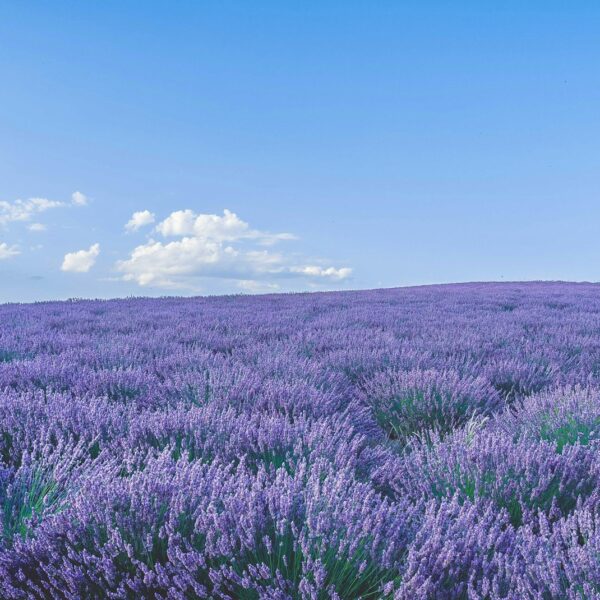
As you explore your next luxury perfume choice featuring lavender notes, remember its rich history a fragrant journey through time that continues to captivate the senses.
Chemical Composition and Scent Profile of Lavender
Lavender isn’t just a pretty face in the fragrance world; its chemical makeup is a symphony of compounds that create its unmistakable aroma. Did you know that over 150 different chemical constituents have been identified in lavender oil? This complexity is what makes lavender such a versatile hero in luxury perfumes.
Key Chemical Components
At the heart of lavender’s captivating scent lies a blend of terpenes, alcohols, and esters. The most prominent component, linalool, is responsible for that sweet, floral note that makes you feel like you’re walking through a sun drenched field of lavender flowers. Another key player is linalyl acetate, which contributes to lavender’s calming effects perfect for those moments when you need to unwind.
The Scent Profile: A Multi Dimensional Experience
The scent profile of lavender is as rich as the history behind it. It opens with fresh, herbaceous notes that evoke images of lush fields and sunshine. As it settles, warmer, sweeter undertones emerge, reminiscent of honeyed floral blooms. This evolution makes lavender an exceptional base note in perfumes it anchors the fragrance while allowing other elements to dance around it.
- Top Notes: Bright and fresh with hints of green.
- Heart Notes: Floral sweetness intertwined with herbal nuances.
- Base Notes: Warm and comforting, grounding the fragrance.
Lavender’s complex profile allows it to blend seamlessly with various other notes citrus for freshness or woody notes for depth.
Lavender vs Lavender Oil: Understanding the Difference
Lavender can refer to both the plant itself and its extracted oil. While dried lavender flowers infuse spaces with their gentle aroma think of those charming sachets tucked into your linens lavender essential oil brings forth concentrated benefits. This oil isn’t just about scent; it’s packed with therapeutic properties that enhance relaxation and well being.
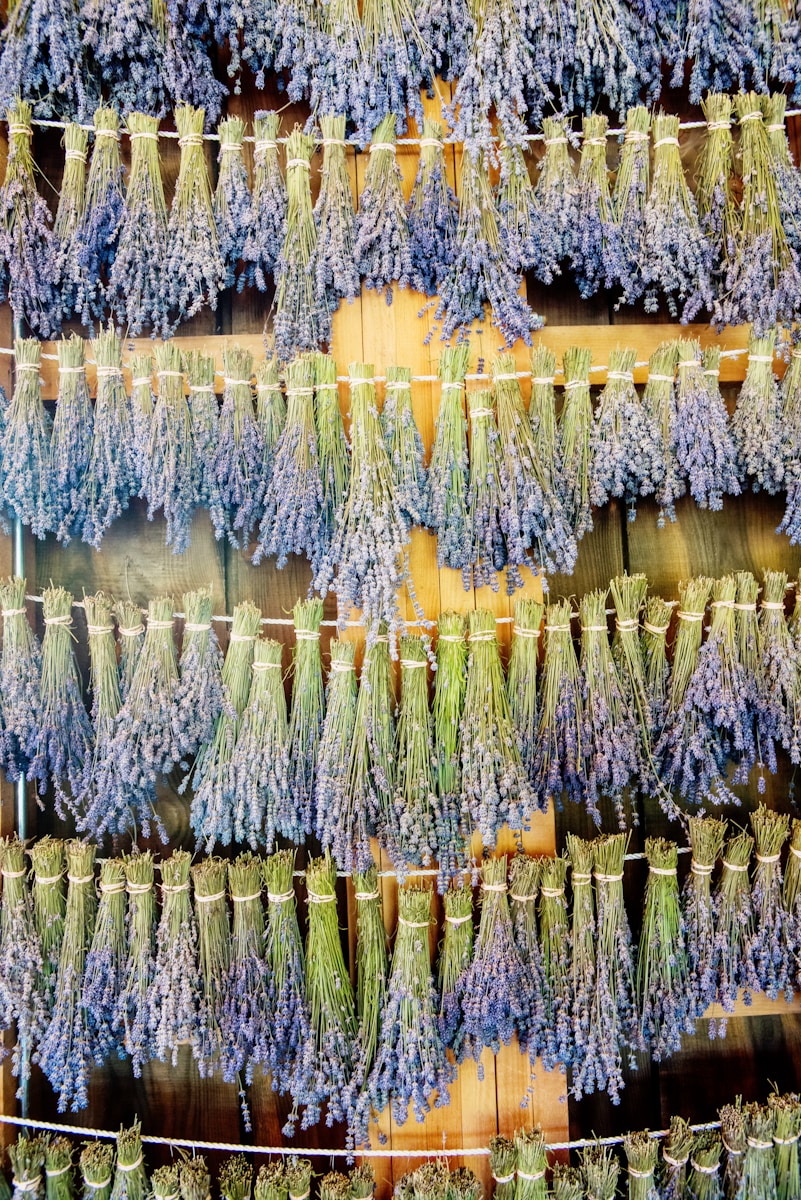
When considering your next luxury perfume choice featuring lavender notes, remember this intricate dance between chemical composition and sensory experience. Each spritz not only tells a story but also invites you into an aromatic journey through time.
Artisan Techniques in Lavender Extraction and Processing
When it comes to lavender, the journey from flower to fragrance is nothing short of an artisanal masterpiece. Did you know that the extraction of lavender oil can yield a mere 1-2% of oil from the flowers? This low yield underscores why quality matters when selecting lavender for luxury perfumes.
The Craft of Steam Distillation
Steam distillation is the gold standard for extracting lavender oil. Imagine this: fresh lavender flowers are placed in a still, where steam rises through them, capturing their aromatic essence before condensing back into liquid form. This method preserves the delicate compounds that give lavender its signature scent, making it ideal for high end perfumery.
But the process doesn’t stop at distillation! After extraction, the oil is often aged to enhance its complexity. Just like fine wine, lavender oil can develop richer notes over time. This aging process allows perfumers to create layered fragrances that tell a story with each spritz.
Harvesting: Timing Is Everything
The timing of harvesting lavender flowers plays a crucial role in the quality of the essential oil. Optimal harvest occurs just before full bloom when the flowers are bursting with oils but haven’t yet started to wilt. A skilled grower knows that this window is fleeting like catching lightning in a bottle!
- Harvesting at dawn ensures cooler temperatures and reduces moisture loss.
- Using sharp shears prevents bruising and preserves flower integrity.
- Hand harvesting allows for careful selection of only the best blooms.
Quality over quantity: The best lavender oils come from meticulous harvesting practices.
Lavender’s Journey - From Field to Fragrance
Lavender’s journey doesn’t end with extraction; processing is equally vital. After distillation, many producers employ methods like cold pressing or solvent extraction for different products like culinary lavender or dried sachets. Each technique brings out unique characteristics think of it as an artist choosing their medium!
French lavender might be known for its sweet notes, while English lavender offers a more herbaceous aroma. This diversity means that perfumers can tailor their compositions based on specific qualities they wish to highlight.
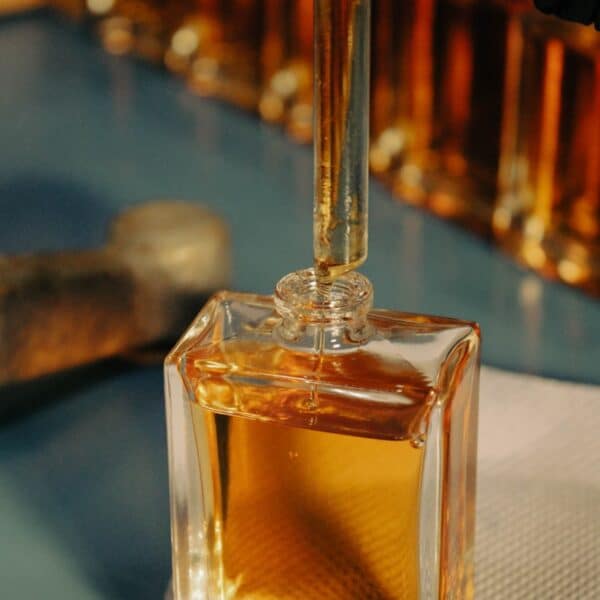
As you explore your next luxury perfume choice featuring lavender notes, consider these artisan techniques at play the craftsmanship behind each bottle reflects not just scent but also passion and dedication.
Cultural and Emotional Resonance of Lavender Scents
Lavender isn’t just a floral note; it’s a cultural icon that resonates deeply across various societies. Picture this: a soothing aroma wafting through the air as you sip lavender tea on a sun drenched terrace in Provence. It’s not just about scent; it’s about evoking memories, emotions, and a sense of peace.
Research indicates that over 70% of people associate the scent of lavender with relaxation and tranquility, making it one of the top choices in aromatherapy. This isn’t mere coincidence; lavender has been used for centuries to calm nerves and promote restful sleep. It’s like nature’s own lullaby!
Lavender in Cultural Practices
From ancient rituals to modern wellness practices, lavender holds a special place in cultural traditions worldwide. In Mediterranean cultures, dried lavender flowers are often used in sachets to ward off pests while infusing linens with their calming aroma. Meanwhile, in Eastern traditions, lavender essential oil is prized for its therapeutic properties, often featured in holistic healing practices.
- In ancient Rome, lavender was used in baths for both its fragrance and purported health benefits.
- Japanese culture incorporates lavender into tea ceremonies for its calming effects.
- In France, lavender fields are celebrated during harvest festivals, drawing visitors who seek both beauty and serenity.
Emotional Connections to Lavender
The smell of lavender brings me back to my grandmother’s garden, says many who experience its scent. This emotional resonance is no accident; scents have a unique ability to trigger memories and feelings due to their direct link to the brain’s limbic system the emotional center. So when you catch a whiff of that sweet floral note, it’s more than just pleasant; it’s likely unlocking cherished memories or creating new ones.
Lavender’s calming effects extend beyond mere fragrance; they foster emotional well being, making it an essential ingredient in luxury perfumes aimed at those seeking serenity amidst chaos.
The Color of Calm – Lavender’s Visual Appeal
Lavender isn’t just a scent; it’s also a color synonymous with tranquility and elegance. The soft purple hue evokes feelings of calmness and sophistication qualities that make it an ideal choice not only for perfumes but also for home decor and fashion.
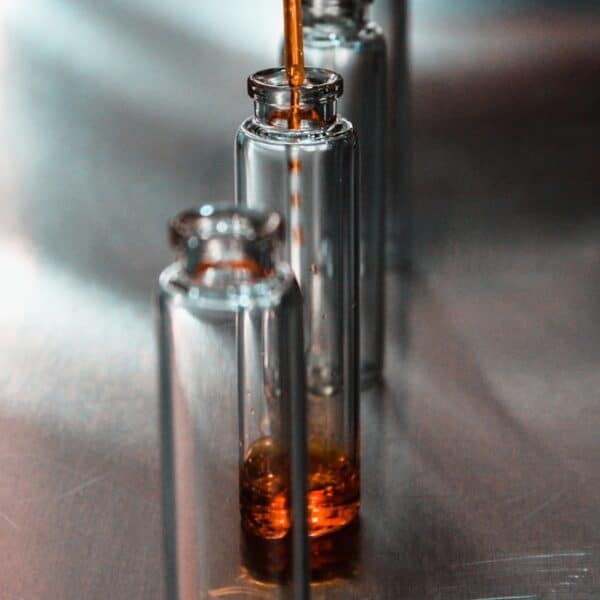
This visual appeal enhances the overall sensory experience associated with lavender perfumes. When you see that iconic shade of purple on a perfume bottle or packaging, you’re not just drawn by aesthetics you’re subconsciously reminded of the soothing effects associated with this beloved plant.
As you explore luxury perfumes featuring lavender notes, consider how these scents can evoke not only memories but also emotions tied to personal experiences or cultural practices. They invite you into a world where fragrance transcends mere olfactory pleasure it becomes an integral part of your lifestyle.
Contemporary Trends in Luxury Perfumes Featuring Lavender
Lavender is making a comeback, and it’s not just because of its soothing scent. In a world where self care reigns supreme, luxury brands are reimagining lavender, transforming it from a quaint floral note into a multi dimensional experience that speaks to modern sensibilities.
Recent studies show that nearly 60% of consumers are gravitating toward fragrances that promote well being and relaxation. Enter lavender this classic ingredient is now being celebrated for its calming effects in high end perfumery. Brands are blending traditional lavender with unexpected elements like citrus and spices, creating scents that resonate with contemporary lifestyles.
The Rise of Lavender-Infused Wellness
Think about it: luxury perfumes are no longer just about smelling good; they’re about feeling good too. With the wellness movement influencing everything from skincare to home fragrances, lavender has found its niche as a key player in this trend. Brands like Maison Margiela have introduced lavender infused scents designed to evoke feelings of tranquility and mindfulness, tapping into the desire for holistic experiences.
Calm in a bottle is how some describe these modern interpretations. By incorporating organic lavender oil and other natural ingredients, these perfumes offer not just fragrance but also therapeutic benefits think stress relief in your pocket! This shift towards wellness centric fragrances aligns perfectly with the growing interest in sustainable and ethically sourced ingredients.
Lavender Meets Modern Artistry
Artisanal is the name of the game when it comes to contemporary luxury perfumes. Perfumers today are stepping away from mass production and embracing small batch creations that celebrate craftsmanship. This artisanal approach allows for unique blends where lavender can shine alongside other complex notes like vetiver or sandalwood.
HOUSE OF ZIGGIMAY exemplifies this trend by crafting bespoke fragrances that highlight lavender’s versatility while maintaining an air of exclusivity. Each bottle tells a story, often inspired by Nordic landscapes or historical narratives, thus enhancing the olfactory experience with depth and meaning.
Lavender’s journey from traditional use to contemporary artistry showcases its timeless appeal while adapting to modern tastes.
Scent Layering: The New Fragrance Trend
Scent layering is another trend gaining traction among fragrance aficionados. Instead of sticking to one signature scent, enthusiasts mix different perfumes to create personalized aromatic experiences. Lavender serves as an ideal base note due to its ability to harmonize with various other scents from floral bouquets to earthy undertones.
‘Picture this: you spritz on a fresh citrus perfume in the morning, then layer it with a warm lavender scent before heading out for an evening event. The result? A unique fragrance that evolves throughout the day, reflecting your mood and style now that’s what I call olfactory storytelling!’
Challenges in Sourcing High-Quality Lavender for Perfumery
Imagine this: a luxury perfume brand enthusiastically announces a new fragrance featuring lavender, only to find that the lavender oil sourced for it lacks the vibrant aroma and therapeutic benefits expected. This isn’t just a hypothetical scenario; it’s a challenge many perfumers face in today’s market.
The global demand for lavender has skyrocketed, leading to increased competition among suppliers. A staggering 80% of lavender essential oil is produced in France, primarily from the renowned Lavandula angustifolia. However, not all lavender is created equal, and sourcing high quality lavender can feel like searching for a needle in a haystack.
The Quality Quandary
The quest for premium lavender often leads perfumers down a rabbit hole of quality discrepancies. Factors such as soil conditions, climate variations, and harvesting techniques can dramatically affect the oil’s quality. For instance, while English lavender may offer sweet floral notes ideal for calming scents, Spanish lavender tends to be more robust and herbaceous perfectly suited for bold fragrances.
- Soil quality: The best soil for growing lavender varies by region; nutrient rich soil enhances the aromatic compounds.
- Harvest timing: Picking flowers at their peak ensures maximum oil yield and potency.
- Extraction methods: Steam distillation versus solvent extraction can lead to different scent profiles.
Sustainability Matters
Sustainable sourcing has become a buzzword in the fragrance industry, but what does it actually mean when it comes to lavender? Many growers are adopting organic practices to ensure their crops are free from pesticides and herbicides. However, organic certification isn’t always synonymous with quality; some producers may cut corners to meet demand.
Organic doesn’t always mean superior; diligence is key when evaluating suppliers.
Where to Buy Dilemma
Where do you buy your lavender plants or oils? This question often stumps even seasoned perfumers. The rise of online marketplaces has made it easier than ever to access various types of lavender products; however, this convenience comes with its own set of challenges. Without first hand knowledge or trusted recommendations, selecting high quality products can feel like playing roulette.
To navigate these murky waters successfully, it’s crucial to establish relationships with reputable suppliers who prioritize transparency about their growing practices and extraction methods. Look for brands that provide detailed information about their sourcing processes this is your golden ticket to ensuring you’re investing in top tier lavender.
As you embark on your journey toward selecting superior lavender for luxury perfumes, keep these challenges in mind. The quest may be arduous, but understanding the nuances will empower you to make informed decisions ultimately enhancing your olfactory creations.
Future Directions for Lavender in Haute Parfumerie
Lavender is poised to redefine luxury perfumery, and it’s not just a nostalgic nod to the past. With over 80% of lavender essential oil sourced from France, the demand for this aromatic powerhouse is surging, leading brands to innovate like never before. Think of lavender not just as a staple but as a canvas for olfactory artistry.
Lavender and the Wellness Revolution
The wellness movement is shaking up the fragrance world, and lavender is at the forefront. Modern consumers are increasingly drawn to scents that promote well being, and lavender’s calming properties make it an ideal ingredient. Brands are now infusing lavender with unexpected elements citrus notes or spicy undertones to create fragrances that not only smell divine but also enhance emotional health. Imagine spritzing on a perfume that not only elevates your mood but also soothes your mind!
Artisanal Craftsmanship Meets Contemporary Design
As we move into an era where artisanal craftsmanship reigns supreme, lavender’s versatility shines through. Perfumers are moving away from mass production, opting instead for small batch creations that celebrate unique blends. This artisanal approach allows lavender to coexist beautifully with complex notes like vetiver or sandalwood, creating fragrances that tell rich stories perfect for the discerning connoisseur.
Lavender’s evolution from traditional use to modern artistry showcases its timeless appeal while adapting to contemporary tastes.
Scent Layering: The Future of Personalization
Scent layering is emerging as a trend among fragrance enthusiasts who want to curate their own unique scent experiences. Picture this: you start your day with a fresh citrus perfume and layer it with a warm lavender scent for the evening creating an aromatic experience that evolves throughout your day! This trend allows individuals to express their personalities through fragrance in ways previously unimagined.