
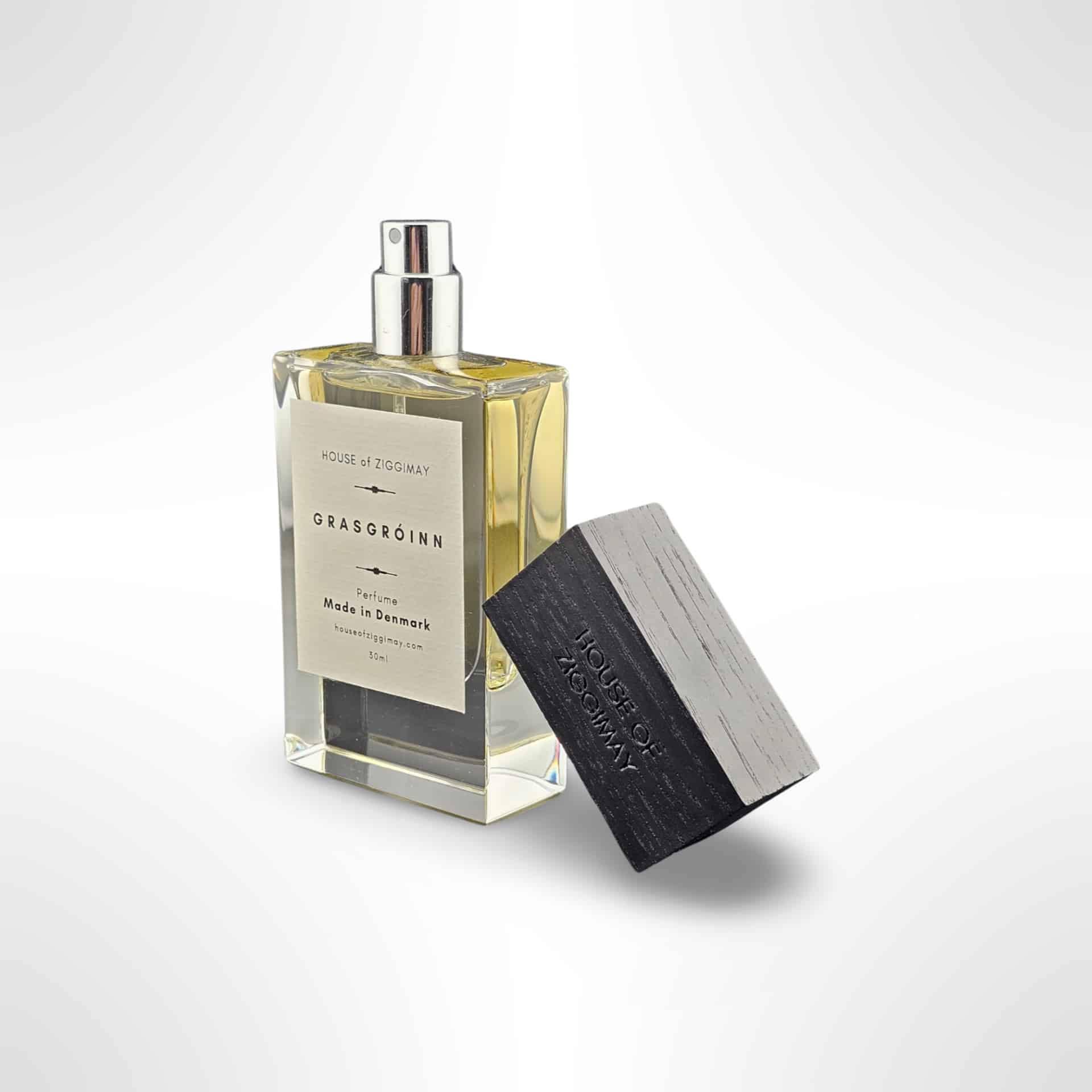
A bottle of perfume is a solution of volatile aromatic materials in alcohol, and every one of those materials is slowly breaking down from the day it is made. How fast depends almost entirely on where you keep it.
Light is the worst of it
Ultraviolet light breaks aromatic compounds apart directly. This is not a slow theoretical process: a bottle kept on a sunny windowsill will be noticeably different within a year, and visibly darker not long after.
It is also why fragrance is sold in coloured glass or inside a box. The box is not packaging waste, it is the storage container, and keeping it is the single easiest thing you can do.
Heat is second
Warmth accelerates every chemical reaction in the bottle, including the ones you do not want. Repeated temperature swings are worse than a steady warm temperature, because the liquid expands and contracts and draws air in past the seal.
Which makes a bathroom the worst room in the house for it. Hot showers, cold nights, humidity and light through a window, several times a day.
Air is third, and it matters more as the bottle empties
Every spray you take is replaced by air. A bottle that is three quarters empty has a large volume of oxygen sitting above the liquid, oxidising the lightest materials.
This is why the last quarter of a bottle often smells slightly different from the first: the top notes have gone flat while the base is largely intact. The fragrance seems to start in the middle.
There is no practical fix beyond using it. Decanting into a smaller bottle helps in theory and introduces its own problems in practice.
What actually to do
A drawer, a cupboard or the original box, at ordinary room temperature, away from a radiator and away from a window. That is the whole of it.
Do not refrigerate. It is often suggested and it is not worth it: the temperature change every time you take it out and put it back does more harm than the cool storage prevents, and condensation inside the bottle is a real risk.
Leave the atomiser on. Removing it to admire the bottle exposes the liquid to air every time.
How long you have
An unopened bottle stored properly keeps for years, and some compositions genuinely improve for the first year or two as the materials continue to settle.
An opened bottle is at its best for roughly two to three years. After that it does not spoil in any dramatic sense, it simply loses its opening while the base survives.
Heavy compositions built on resins, woods and oud last considerably longer than light ones built on citrus, because the materials that go first are the volatile ones and those fragrances have fewer of them.
The practical consequence
Do not stockpile. Buying three bottles of something you love means the third will not be quite what the first was, and the saving on the larger size is a false economy if you will not get through it inside the quality window.
For most people, 30 ml of something worn a few times a week is the right amount, and it is why HOUSE OF ZIGGIMAY offers that size on everything.
Travelling with it
A car is the single worst place to leave a bottle. A parked car in summer reaches temperatures far beyond anything else a fragrance will encounter, and a bottle left in a glovebox for a season will be measurably changed.
Hold luggage is cold and subject to pressure changes, neither of which is ideal, though a short flight does little harm. If you are taking fragrance away, a sample vial is the sensible answer rather than the bottle: it is small enough for cabin liquid limits, there is nothing to break, and if it is lost you have lost very little.
Decanting into a travel atomiser is fine for a week or two. It is not a storage method, because the transfer introduces air and the smaller container has proportionally more of it.
What about the box
Keep it. It is the cheapest and most effective light shield you will find, it costs nothing, and it is already the right size.
If the box has gone, a drawer does the same job. The point is darkness and a steady temperature, not the packaging itself.
How to tell it has turned
Three signs, in order of reliability. The colour has darkened noticeably. The opening smells sour or vaguely of vinegar rather than of whatever it used to be. The alcohol reads sharper and harsher on application than you remember.
A fragrance in that state is not dangerous, it is simply no longer what you bought. If you are unsure, compare it against a fresh sample of the same thing, which is the only test that settles it.