
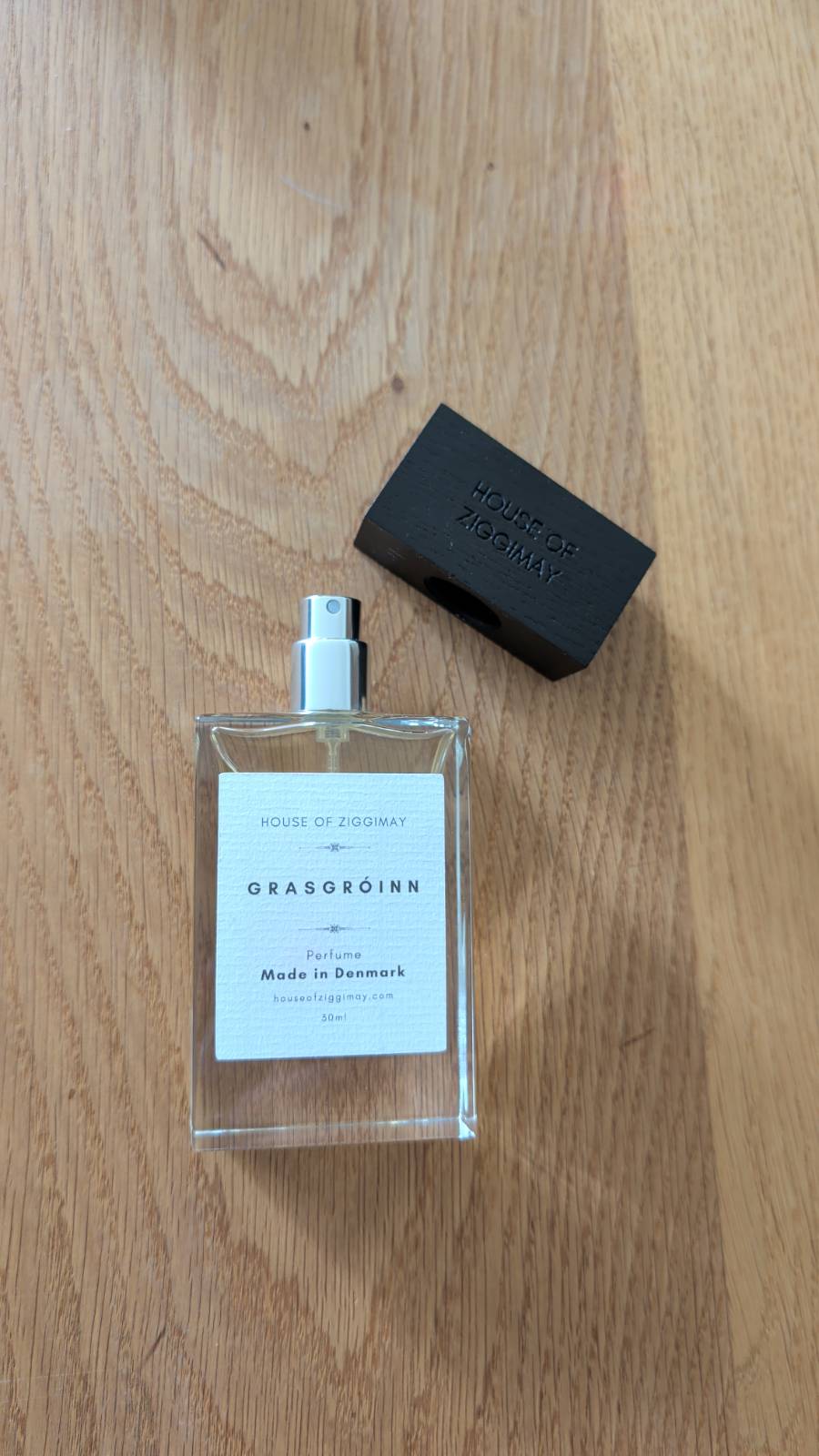
Oud is the most misunderstood material in perfumery, partly because most people encounter it in fragrances that contain very little of it.
What it is
Agarwood trees do not normally produce anything aromatic. When one is infected by a particular mould, it responds by producing a dark resin through the affected heartwood. That resin is oud.
It is a defensive response, it happens in a small fraction of trees, and it takes years. That is the entire explanation for the price.
Why most oud is not wild
Wild agarwood has been harvested to the point of protection under international trade rules. Nearly all oud in commercial use today comes from cultivated trees inoculated deliberately.
This is often presented as a lesser substitute. It is not. It is the only responsible way to supply the material, and cultivated oud from a good producer is a serious material in its own right.
What it actually smells like
Not like the oud in most oud-labelled fragrances.
Real oud is dense and slightly animal. There is barnyard in it, and leather, and something sweet and resinous underneath. It is not clean, and it is not comfortable in the way a wood note usually is.
Most commercial oud fragrances use synthetic reconstructions that keep the woody, resinous part and drop the animal edge. The result is more approachable and much less interesting, and it is what most people mean when they say they like oud.
The proportion problem
Oud is difficult to use because it does not share space well. Too little and it disappears entirely under whatever is around it. Too much and it stops being a fragrance and becomes a single insistent note you cannot get away from.
The compositions that work give it something to push against. Rose is the traditional partner, because it softens the animal quality without removing it. Citrus over the top lifts it. Saffron and spice bridge between the two.
How to wear it
Less than you think. One spray of a genuine oud composition is usually enough, and two is often too many. This is not a fragrance where more equals better.
It also lasts. Oud Absolu is the heaviest thing HOUSE OF ZIGGIMAY makes and the one that lasts longest, and if you apply it as you would a citrus fragrance you will be living with the consequences well into the following day.
Regional character
Oud is not one smell, and the origin changes it considerably.
Cambodian oud tends to be sweeter and more resinous, with fruit underneath. It is the most approachable and the usual entry point.
Indian oud, particularly from Assam, is the most animal: barnyard, leather, and a sourness that some people find difficult and others consider the real thing.
Malaysian and Indonesian oud sits between the two, generally woodier and drier with less of the animal quality.
A fragrance described only as containing oud is telling you very little, because these are meaningfully different materials.
Oud in Western and Middle Eastern perfumery
The two traditions use it differently and it is worth knowing which you are buying.
In Middle Eastern perfumery oud is frequently the subject, used at high concentration, often as an oil applied directly rather than an alcohol-based spray. The intention is density and duration.
Western compositions generally use it as a base material supporting something else, at far lower concentration, with rose or citrus or spice as the visible part. Most Western oud fragrances contain very little actual oud, and a synthetic reconstruction doing most of the work.
Neither approach is wrong, but someone who liked a Western oud may find the Middle Eastern version overwhelming, and someone who wanted the real thing will find the Western version thin.
Storage and value
Oud compositions keep better than most, because the heavy resinous materials that dominate them are the least volatile and the slowest to oxidise. A well stored oud fragrance will be recognisably itself after five years, where a citrus-led one will not.
They also need less. A bottle of something built on oud will last considerably longer than the same volume of a lighter fragrance, simply because one spray is usually the correct dose. Cost per wearing is frequently lower than the shelf price suggests.
Whether it suits you
Oud divides people more sharply than any other material, and the division is real rather than a matter of education. Some people find the animal quality compelling. Others find it genuinely unpleasant, and no amount of context changes that.
Which is why it is the single worst material to buy unsampled. Two 1.5 ml samples come with every bottle, chosen by you at checkout, and a Discovery Box holds five. Wear it for a day before you spend anything.