
Lavender has a problem. Most people meet it in soap, in cleaning products and in things designed to help them sleep, so by the time it turns up in a perfume it arrives carrying luggage.
That is a shame, because as a perfumery material it is far stranger and more useful than its reputation suggests.
What lavender actually smells like
Not one thing. Lavender oil is a mixture, and the two components that matter most pull in different directions. Linalool is soft, floral and slightly sweet. Linalyl acetate is sharper, greener, closer to a herb than a flower.
The ratio between them decides the character, and that ratio changes with altitude, with the weather that season, and with the moment the field is cut. Lavender grown high in the Alps is cleaner and more camphorous. Lower down it is rounder and sweeter.
This is why two lavenders can smell almost unrelated, and why a perfumer choosing lavender is choosing a specific harvest rather than a generic note.
The camphor problem
Underneath the softness there is camphor, and it is the reason lavender can read as medicinal. In small amounts it gives the material its lift and stops it going soapy. Past a certain point it takes over and the whole thing smells like a chemist’s shop.
Most of the craft in using lavender is managing that edge. A little vanilla or tonka underneath will absorb it. Too much and you have lost the herb entirely.
Why it keeps coming back
Lavender sits between the floral and the aromatic families without belonging fully to either, which makes it one of the most flexible bridges in perfumery. It will sit next to citrus without fighting it, next to woods without disappearing, and next to other florals without turning the composition into a bouquet.
It is also one of the few materials that reads as neither masculine nor feminine to most people, which matters if you are not interested in making that distinction in the first place.
Steam, and why it matters
Lavender is steam distilled. Flowers go into a still, steam passes through them, the oil comes over with the water and separates on cooling.
The variable is time. Distil too briefly and you get the light, volatile top and none of the body. Distil too long and heavier, duller compounds come across and flatten the result. There is a window, and it moves depending on the harvest.
Timing the cut matters as much. Lavender is usually taken when roughly half the flowers on the spike have opened. Earlier and the oil is thin. Later and it turns hay-like.
What to put it next to
Lavender is one of the easier materials to build around, and a few pairings do most of the work.
With citrus it becomes brighter and reads almost entirely as a herb. Bergamot in particular sharpens it and pushes the camphor forward, which suits a fragrance meant to feel clean.
With vanilla or tonka it goes the other way. The sweetness absorbs the medicinal edge and what is left is soft and slightly powdery. This is the direction that has produced most of the well known lavender fragrances.
With oakmoss and vetiver it turns dry and green, closer to the smell of the plant in a field than to anything in a bottle.
What it does not survive is heavy sweetness. Put lavender under a fruit accord and it disappears entirely, leaving only a faint soapiness that reads as a fault.
Lavender and lavandin are not the same
Worth knowing, because a great deal of what is sold as lavender is not.
Lavandin is a hybrid, easier to grow, far higher yielding and much cheaper. It smells similar at first and then noticeably harsher, with more camphor and less of the soft floral quality. Most lavender in soap, detergent and cheap room fragrance is lavandin, and it is a significant part of why people associate the note with cleaning products.
True lavender is grown at altitude, yields far less oil, and costs several times more. In a fragrance where lavender is the point, the difference is obvious.
A note on the sleep claims
Lavender is widely sold on the promise of relaxation. There is some research behind this and it is weaker than the marketing implies. Effects have been measured, but they are small and inconsistent between studies.
What is better established is association. If lavender smells like somewhere you felt calm, it will calm you, and that is a real effect with an ordinary explanation.
Wearing it
Lavender behaves differently on skin than almost any other floral. It tends to sit close rather than project, and it changes more in the first thirty minutes than most materials do in three hours.
Which means judging it from a strip of paper is close to useless. Put it on your wrist and leave it alone for an hour before deciding anything. That is true of most fragrances and it is especially true of this one.
Lavender and the green end of the range
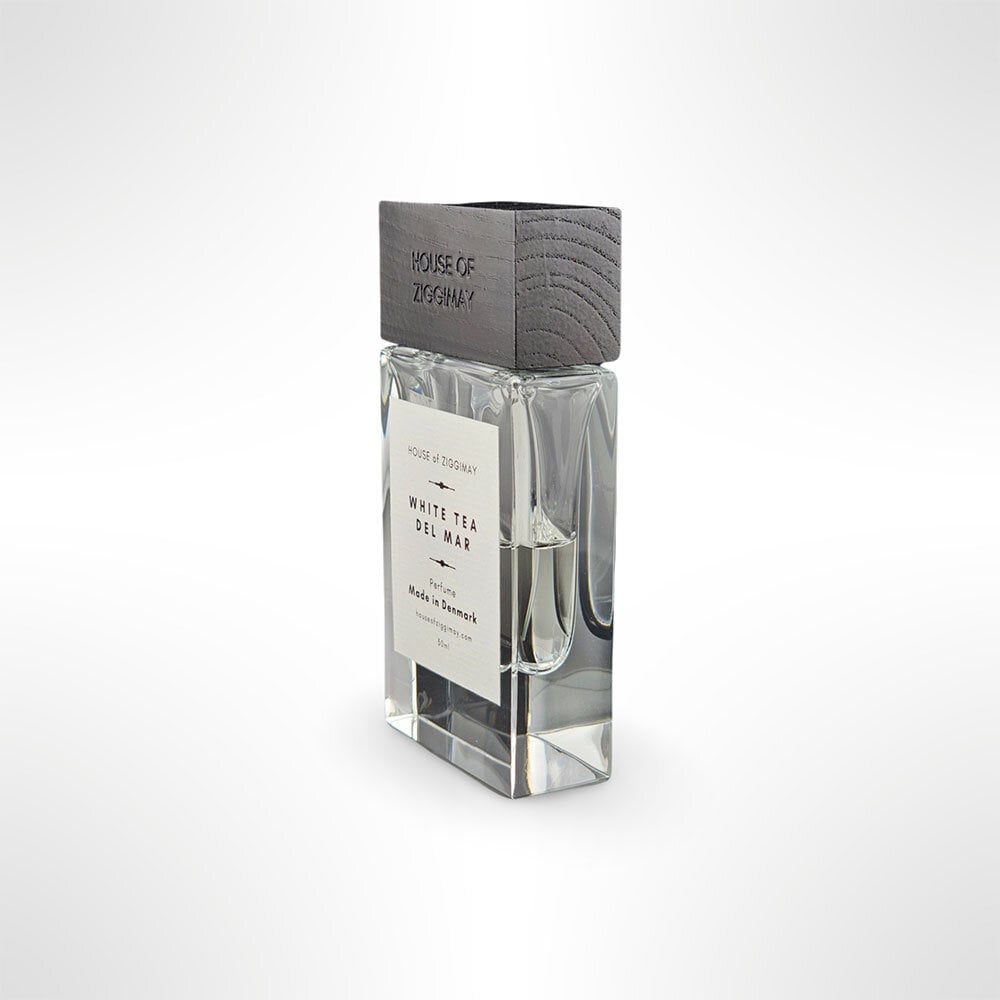
Lavender does not appear in the HOUSE OF ZIGGIMAY range, for the reason described above: too many people meet it first in soap and cleaning products, and a small range cannot afford to spend one of five slots arguing with that association.
The quality it brings is here in another form. Grasgróinn opens on spice and cut grass and settles into ozone, jasmine and musk, which is the same idea of a herb kept dry and green rather than pushed towards sweetness. If lavender appeals to you for what it is rather than what it reminds you of, that is the one to sample.