
The labels describe one thing only: how much aromatic concentrate is dissolved in the alcohol. They are not quality grades, and treating them as a ladder will lead you to the wrong bottle.
The rough figures
The ranges overlap and no regulator enforces them, so treat these as conventions rather than definitions.
Eau de cologne sits lowest, around two to five percent. Light, bright, short. Traditionally citrus.
Eau de toilette is roughly five to fifteen percent. The most common concentration in mass-market fragrance.
Eau de parfum is roughly fifteen to twenty percent. Denser, longer, and now the standard for most niche houses.
Extrait de parfum is twenty percent and up. Heavy, close to the skin, very long lasting.
Why higher is not automatically better
Concentration changes the character of a composition, not just its strength.
A light green fragrance at extrait strength is not a better version of itself. It is a denser, heavier thing that has lost the air it was designed around. Some compositions genuinely need space between the materials, and raising the concentration removes it.
The reverse is also true. A composition built on resins and woods at cologne strength will feel thin and disappear before it has finished developing.
The concentration is part of the design, decided alongside the formula, not a dial turned afterwards.
What actually changes with concentration
Longevity rises, reliably. More material takes longer to evaporate.
Projection does not rise as much as people expect. A higher concentration often sits closer to the skin rather than further from it, because the heavy materials that make it last are the ones that do not travel.
Development slows. A higher concentration takes longer to move from top to heart to base, which is why an extrait can seem to be doing nothing for the first half hour.
The same name is not the same fragrance
Worth knowing, because it catches people out. When a house releases both an eau de toilette and an eau de parfum of the same fragrance, they are frequently different formulas rather than the same one at two strengths.
The eau de parfum will often have a different balance, sometimes different materials, because simply concentrating the toilette version would not work. Someone who loves one can genuinely dislike the other.
What it means for how much you apply
This is the practical part. Two or three sprays of an eau de toilette is ordinary. The same of an extrait is too much.
The rule that works is to apply less than you think and add later if you need to, because you cannot take it off and your own nose will stop telling you the truth after twenty minutes.
Parfum, perfume and the words in between
Some further terms that are worth being able to ignore.
Parfum and extrait de parfum mean the same thing in practice, the highest concentration tier.
Eau fraiche is lower than cologne and rare outside body sprays.
Intense, elixir, absolu and similar words on a bottle are marketing rather than measurement. They usually signal a higher concentration or a reworked formula, and there is no rule requiring either.
None of these are regulated terms, so the only reliable information is what the fragrance does on your skin.
Price and concentration
Higher concentration costs more to make, because there is more aromatic material in the bottle. That much is real.
It does not follow that the price difference between two tiers reflects the material difference. Packaging and positioning account for a good deal of it, and an extrait is frequently priced well above what the extra concentrate costs.
The useful comparison is cost per wearing rather than cost per bottle. A denser fragrance needs fewer sprays, so a smaller bottle of something concentrated often works out cheaper to wear than a larger bottle of something light.
What to buy
Ignore the label and judge the fragrance. The only questions that matter are whether you like it on your own skin and whether it is still doing something at hour four.
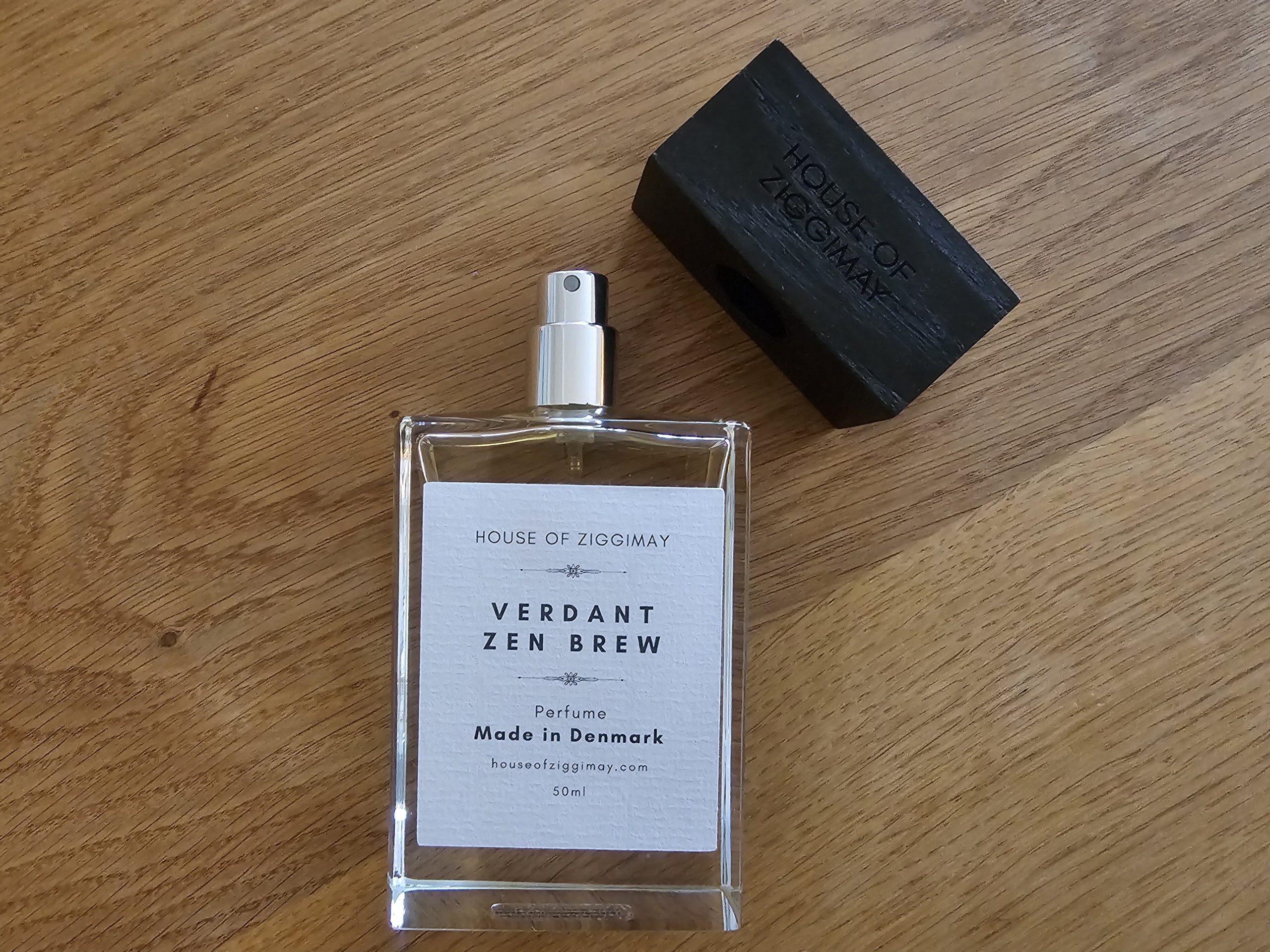
Everything we make is eau de parfum, in 30 ml and 50 ml, because that concentration suits these compositions. That is a design decision rather than a claim about quality.
What HOUSE OF ZIGGIMAY makes
Everything here is eau de parfum, in 30 ml and 50 ml. That is a decision about these particular compositions rather than a claim that one concentration is better than another: they are built with enough weight in the base to want that strength, and they would feel thin lower down.
Unless you already know a fragrance suits you, 30 ml is the sensible size. An opened bottle is at its best for two or three years and most people overestimate how quickly they get through one.